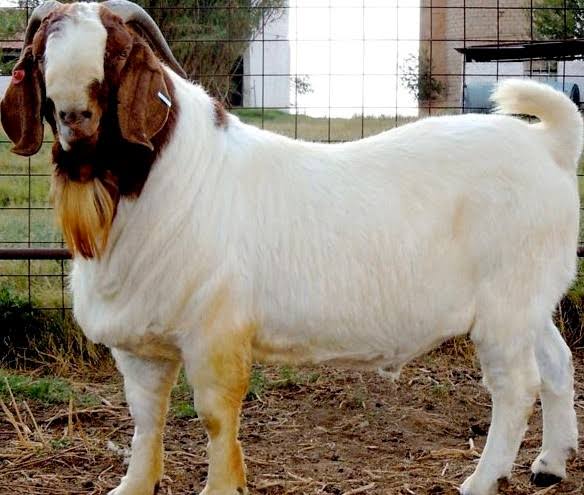
Goat fattening is becoming an increasingly important livestock enterprise for farmers looking to improve the value and marketability of their animals. The practice involves feeding goats with nutritious diets over a specific period to increase their body weight and condition before sale. With proper feeding, housing, health management and marketing, goat fattening in Kenya can provide farmers with an additional source of income.
Goats are popular among small-scale farmers because they require relatively little space and can adapt to different production systems. However, successful fattening requires more than simply giving goats plenty of feed. Farmers need to select suitable animals, provide balanced nutrition and monitor their health throughout the fattening period.
Selecting goats for fattening
The success of a goat fattening project begins with selecting the right animals. Farmers should choose healthy goats with good growth potential. Young, growing goats are often suitable because they can convert feed into body weight efficiently.
When purchasing goats for fattening, farmers should examine the animals carefully. A healthy goat should have clear eyes, a good appetite, normal movement and a healthy coat. Avoid goats that appear weak, severely emaciated or show signs of illness.
The breed and type of goat can also influence performance. Farmers should select animals that are well adapted to their local environment and have desirable growth characteristics. Male goats are commonly used for meat production, although the choice can depend on the farmer’s production system and market requirements.
Provide a balanced diet
Feed is one of the most important factors in goat fattening. Goats require a balanced diet containing energy, protein, minerals, vitamins and adequate fibre to support growth and weight gain.
Farmers can use locally available feeds such as grasses, browse, hay, crop residues and suitable fodder crops. Protein-rich feeds can also be included where necessary. Concentrates may be provided to animals with higher nutritional requirements, depending on the quality of the available forage.
The diet should be introduced gradually, especially when goats are being introduced to new feeds. Sudden changes can cause digestive problems and reduce feed intake.
Clean drinking water should be available at all times. Adequate water is essential for digestion, feed consumption and overall animal health.
Maintain proper housing
Good housing helps goats remain healthy during the fattening period. A goat house should be dry, clean and well ventilated. It should protect the animals from excessive rain, cold weather and strong winds while allowing sufficient airflow.
The floor should remain dry and should not become heavily contaminated with manure. Wet and dirty conditions can encourage the spread of diseases and parasites.
Overcrowding should also be avoided. Giving goats adequate space reduces competition for feed and water and allows farmers to observe individual animals more easily.
Control diseases and parasites
Healthy goats gain weight more efficiently than sick animals. Disease and parasite control should therefore be an important part of every goat fattening programme.
Farmers should regularly observe goats for signs such as coughing, diarrhoea, loss of appetite, weakness, abnormal breathing or poor growth. Internal and external parasites can also interfere with growth by reducing the nutrients available to the animal.
Deworming should not be done randomly. Farmers should work with a veterinarian or qualified animal health professional to develop an appropriate parasite-control programme based on local conditions and the health status of the animals.
Vaccination and other preventive health measures should also be carried out according to veterinary recommendations.
Monitor weight and body condition
Monitoring goats during the fattening period helps farmers determine whether the feeding programme is working. Farmers can use a livestock weighing scale where available or use appropriate weight-estimation methods when a scale is not accessible.
Regular monitoring can help identify goats that are gaining weight slowly. Such animals may require closer examination for health problems, poor feed intake or competition within the group.
Farmers should also observe the body condition of the goats. The goal of fattening is to achieve healthy growth and good body condition rather than simply making animals excessively fat.
Use locally available feed resources
One advantage of goat farming is that many locally available plant materials can be incorporated into feeding programmes. Crop residues, fodder trees, grasses and other suitable feeds can help reduce reliance on expensive commercial feeds.
However, not every plant material is safe or nutritious for goats. Farmers should identify feeds carefully and avoid giving goats mouldy, rotten or contaminated materials.
Feed should also be stored properly to prevent contamination by moisture, pests and mould. Good feed storage helps preserve nutritional quality and reduces wastage.
Determine the right time to sell
Marketing should be considered before starting a goat fattening project. Farmers should understand what buyers in their target market prefer, including the desired size, age and body condition of goats.
Selling at the right stage can help farmers avoid unnecessary feeding costs. Keeping an animal for too long after it has reached the desired market condition may increase expenses without providing a proportional increase in value.
Farmers can monitor local demand and establish relationships with traders, butcheries, restaurants and individual consumers where appropriate. Having potential buyers in mind before purchasing goats can make the enterprise more commercially sustainable.
Keep records
Good record keeping can help farmers determine whether goat fattening is profitable. Farmers should record the number of goats purchased, purchase costs, feed expenses, veterinary costs, transport expenses and eventual sales.
Records can also show which animals perform best and which feeds produce good results. Over time, this information can help farmers improve their feeding strategies and reduce unnecessary costs.
Goat fattening in Kenya can be a profitable livestock enterprise when properly managed. Farmers need to start with healthy goats, provide balanced nutrition, maintain clean housing and control diseases and parasites.
Regular monitoring of weight and body condition allows farmers to identify problems early and determine when animals are ready for the market. Most importantly, farmers should use available feed resources efficiently while keeping accurate records of their expenses and sales.
With proper planning and management, goat fattening can help farmers increase the value of their animals and create an additional source of income from livestock farming.

Author: Moureen Koech
Moureen Koech is a passionate Digital Journalist, an adept Agribusiness Writer with a keen eye for news and an impactful story-teller,whose stories provide key value to Agripreneurs and stakeholders in the Agricultural sector