The government has lifted the suspension on the registration of new Savings and Credit Cooperative Societies (SACCOs) with immediate effect following a review of the sector’s legal and regulatory framework.
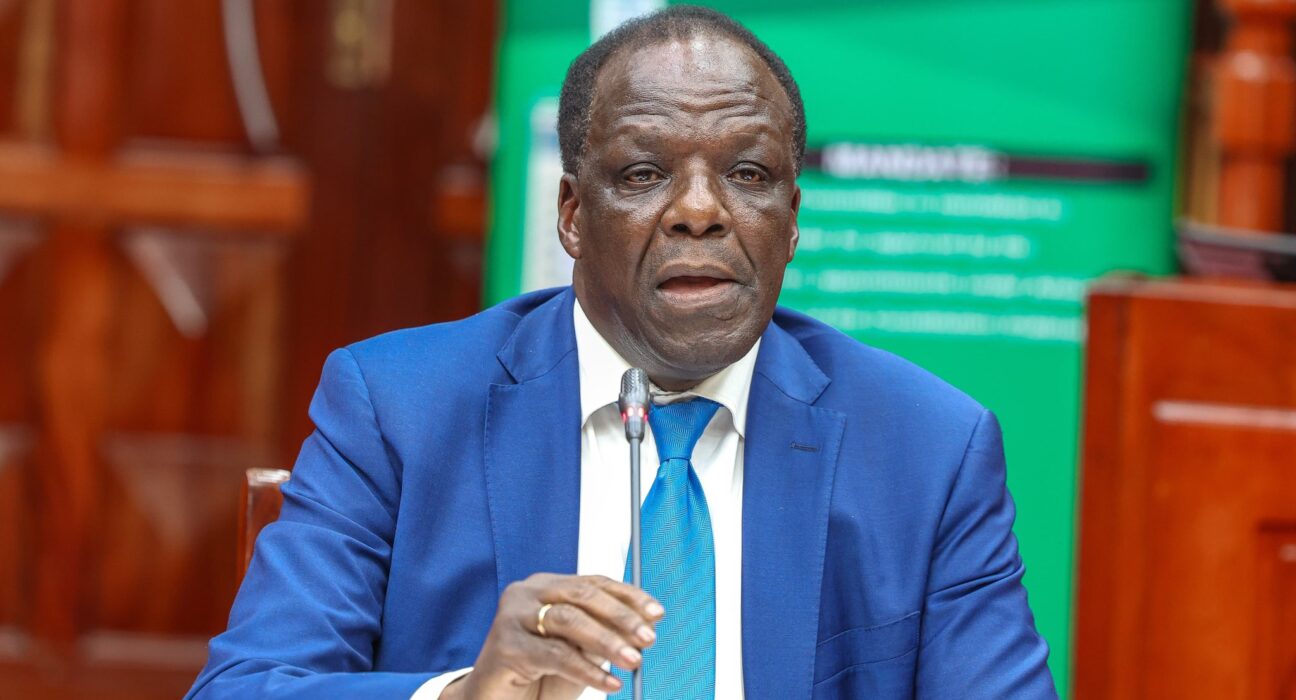
Co-operatives and MSMEs Development Cabinet Secretary Wycliffe Oparanya announced the move, saying it follows the successful completion of a review conducted by a Committee of Experts appointed by the Ministry.
“I am pleased to announce that the Ministry of Co-operatives and MSMEs Development, through the Commissioner for Co-operatives, has lifted the suspension on the registration of new SACCO societies with immediate effect,” Oparanya said.
The CS noted that while new SACCO registrations will resume, applicants will be required to meet stricter conditions aimed at enhancing sustainability, accountability and good governance within the cooperative movement.
“As we continue strengthening the co-operative movement, the registration of new SACCOs will now be subject to enhanced requirements aimed at promoting sustainability, accountability and good governance,” he added.

Under the new guidelines, applicants seeking to register a SACCO must demonstrate the existence of a fully equipped and accessible physical office with at least one employee. They must also have a minimum institutional capital of Sh1.2 million for formation and initial operations, excluding member deposits.
Additionally, prospective SACCOs will be required to submit a comprehensive three-year business plan and cash flow projections, demonstrate the capacity to mobilise at least KSh10 million in deposits within the first year of operation, and fully comply with Sections 4, 5 and 6 of the Co-operative Societies Act and all relevant regulations.
The Ministry directed that all applications for registration be submitted through the respective County Director for Co-operatives.
Oparanya said the move marks a significant milestone in strengthening Kenya’s cooperative sector and safeguarding members’ savings.

“This marks another important step in building stronger, more resilient and member-driven SACCOs that contribute meaningfully to Kenya’s economic transformation and financial inclusion agenda,” he said.
The suspension on the registration of new SACCOs was imposed in May 2025 amid growing concerns over governance failures, operational weaknesses and cases of fraud within the sector, including the multi-billion-shilling KUSCCO scandal.
The freeze allowed a committee of experts to review the existing legal framework, address regulatory gaps, eliminate unregulated entities commonly referred to as “briefcase SACCOs,” and recommend reforms aimed at restoring public confidence in the cooperative movement.

Author: Andrew Walyaula
Andrew Walyaula is a seasoned multimedia journalist. Email: [email protected]