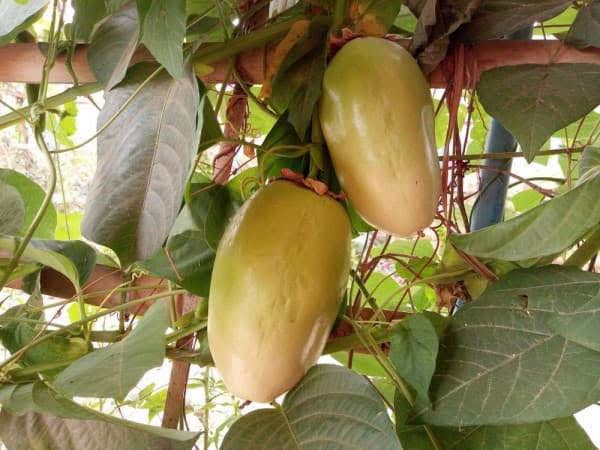
Giant granadilla passion fruit farming is emerging as one of the most promising fruit enterprises in Kenya, offering farmers an opportunity to diversify their income while meeting the growing demand for healthy, nutritious fruits. Known for its large size, sweet taste and pleasant aroma, giant granadilla is highly valued by fresh fruit consumers, juice processors, hotels and supermarkets.
With proper management, this vigorous climbing vine can provide consistent harvests and attractive returns for both small-scale and commercial farmers. If you are looking for a profitable fruit crop that thrives in many parts of Kenya, giant granadilla deserves serious consideration.
What is Giant Granadilla Passion Fruit?
Giant granadilla (Passiflora quadrangularis) is a tropical climbing vine belonging to the passion fruit family. Unlike the common purple and yellow passion fruits, giant granadilla produces significantly larger fruits with thick skins and sweet, aromatic pulp.
The fruit is consumed fresh, blended into refreshing juices, used in desserts, and processed into jams and other value-added products. Its nutritional value and appealing flavour continue to drive consumer demand in both local and export markets.
Why giant granadilla farming is profitable
The popularity of healthy eating has increased the demand for nutrient-rich fruits such as giant granadilla. Farmers who establish well-managed orchards can benefit from several advantages.
One of the biggest attractions is the production of large premium-quality fruits that fetch competitive market prices. The crop also begins producing relatively early when given proper care, allowing farmers to start earning income sooner than many perennial fruit crops.
Additionally, giant granadilla has a long productive lifespan, meaning a well-maintained orchard can continue generating harvests for several years. The fruits are suitable for fresh markets, supermarkets, restaurants, hotels, juice processors, and home consumers, creating multiple marketing opportunities.
Suitable growing conditions
Successful giant granadilla production begins with selecting the right growing environment.
The crop performs best in areas with moderate temperatures, adequate rainfall, and well-drained fertile soils. It does not tolerate waterlogged conditions, making proper drainage essential for healthy root development.
The ideal soil should have a pH of between 5.5 and 6.5. Before planting, farmers are encouraged to conduct a soil test to determine nutrient levels and make appropriate amendments where necessary.
Best areas for giant granadilla farming in Kenya
Several regions in Kenya provide favourable conditions for growing giant granadilla.
These include Kiambu, Murang’a, Nyeri, Kirinyaga, Meru, Embu, Nakuru, Kericho, Nandi, Uasin Gishu, Bungoma, Kakamega, Kisii, and many other warm to cool areas with fertile, well-drained soils.
Farmers in similar agro-climatic zones can also successfully cultivate the crop with proper management practices.
Land preparation and planting
Proper land preparation plays a significant role in establishing a productive orchard.
Clear the land thoroughly and remove weeds before marking planting positions. Dig planting holes measuring approximately 60 cm by 60 cm by 60 cm. Mix the topsoil with well-decomposed farmyard manure before returning it to the hole to improve soil fertility and moisture retention.
Maintain a spacing of about 3 metres by 3 metres between plants. This spacing allows sufficient sunlight penetration, air circulation, and room for vine growth while making management activities easier.
Plant healthy seedlings at the onset of the rainy season or provide irrigation if planting during dry periods.
Importance of trellising
Since giant granadilla is a climbing vine, providing strong support is essential.
Construct a durable trellis system using treated wooden posts, concrete poles, or metal posts connected with strong wires. The vines climb naturally and require support to spread evenly, improving sunlight exposure and fruit quality.
A well-designed trellis also simplifies pruning, spraying, harvesting, and disease management while reducing fruit damage caused by contact with the ground.
Orchard management practices
Good orchard management determines the productivity and longevity of giant granadilla plants.
Regular watering is particularly important during dry periods, especially when the plants are flowering and fruiting. Mulching helps conserve soil moisture, suppress weeds and improve soil health.
Apply organic manure regularly and supplement with balanced fertilizers based on soil analysis and crop requirements.
Pruning should be carried out to remove weak, diseased, or overcrowded vines. Proper pruning encourages vigorous growth, improves air circulation, and increases fruit production.
Weed control is equally important since weeds compete for water and nutrients while providing hiding places for pests.
Common pests and diseases
Like many fruit crops, giant granadilla is susceptible to several pests and diseases.
Common insect pests include aphids, fruit flies, mites, and mealybugs. These pests can damage leaves, flowers, and fruits if not controlled promptly.
Diseases such as Fusarium wilt, root rot, anthracnose and viral infections may also affect production.
Farmers should adopt integrated pest and disease management strategies, including field sanitation, proper pruning, crop monitoring, use of healthy planting materials and timely application of recommended control measures where necessary.
Harvesting Giant Granadilla
Under proper management, giant granadilla begins producing fruits within a relatively short period after establishment.
The fruits are ready for harvesting once they reach full size and develop the appropriate colour depending on the variety. Mature fruits are firm, aromatic, and should be handled carefully to avoid bruising.
Harvesting should be done regularly to maintain fruit quality and encourage continuous production.
Proper grading and careful packaging also help farmers access premium markets.
Health benefits of Giant Granadilla
Besides being a profitable crop, giant granadilla offers numerous nutritional benefits.
The fruit is an excellent source of Vitamin C, which supports immune function and promotes healthy skin. It also contains dietary fibre that aids digestion and contributes to improved gut health.
Its antioxidants help protect body cells from oxidative stress, while essential minerals and vitamins support overall wellness.
These health benefits continue to increase consumer demand as more people embrace nutritious diets.
Marketing opportunities
Giant granadilla has diverse market opportunities across Kenya.
Fresh fruits are sold in open-air markets, supermarkets, grocery stores, fruit shops, and roadside outlets. Hotels, restaurants, juice manufacturers and food processors also create a steady demand for quality fruits.
Farmers can further increase profitability through value addition by producing fresh juice, fruit concentrates, jams, desserts and other processed products that attract higher prices than raw fruits.
Giant granadilla passion fruit farming presents an excellent investment opportunity for Kenyan farmers seeking a profitable, high-value horticultural crop. Its large, sweet fruits, strong consumer demand, impressive nutritional value and long productive lifespan make it an attractive enterprise for both commercial growers and home orchard owners.
Success, however, depends on using healthy planting materials, preparing the land properly, providing strong trellising, maintaining soil fertility and implementing effective pest and disease management practices. With careful planning and consistent orchard management, giant granadilla farming can become a sustainable source of income while contributing to improved food security and nutrition.

Author: Moureen Koech
Moureen Koech is a passionate Digital Journalist, an adept Agribusiness Writer with a keen eye for news and an impactful story-teller,whose stories provide key value to Agripreneurs and stakeholders in the Agricultural sector