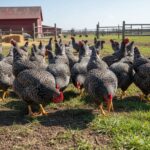
Guinea fowls are naturally active, alert and excellent fliers. While these traits help them escape predators, they also make them prone to wandering away from the homestead or farm. For farmers practicing free-range or semi-intensive systems, keeping guinea fowls within the designated area can be a challenge. Wing clipping is a simple, safe, and humane management practice used to limit flight without harming the bird. It involves trimming the long flight feathers on one wing only, reducing lift and creating imbalance during flight.
This article explains, step-by-step, how to clip a guinea fowl’s wing properly while ensuring the bird’s comfort and safety.
Why wing clipping is important for guinea fowls
Unlike chickens, guinea fowls can fly high and for long distances. They often perch on trees, fly over fences or wander into neighboring farms if not managed well. Clipping one wing helps to:
- Prevent birds from escaping
- Reduce risk of injury from flying into structures
- Keep the flock within the home range
- Promote easier handling and management
When clipping is done the right way, the guinea fowl remains healthy, active and still capable of walking, running or fluttering normally, just without the strong lift needed to fly away.
Getting the bird ready
Proper preparation ensures the clipping process is smooth, safe and stress-free for both the farmer and the bird. Start by gathering all necessary tools, mainly a pair of sharp scissors. Sharp blades help create clean cuts that do not damage the feathers or cause discomfort.
It is important to work in a calm, quiet environment. Sudden noises or rough handling can stress the guinea fowl and make it harder to control. If possible, let someone assist you. One person can gently but firmly hold the bird against their body to prevent flapping, while the other performs the trimming.
Hold the guinea fowl with its breast resting on your palm or against your body. Keep the wings secure but not squeezed. Gently extend one wing at a time, choosing the one that is most convenient for your dominant hand. Proper handling keeps the bird relaxed and reduces the chances of accidental injury.
Knowing What to Cut
Understanding wing anatomy is key to clipping correctly. A guinea fowl’s wing has two main categories of feathers:
1. Coverts – These are the short, soft feathers closer to the bird’s body. They should remain untouched because they protect the wing and do not influence flight.
2. Primary flight feathers – These long feathers at the wingtip provide the lift that enables the bird to fly. They are the only feathers that should be trimmed.
When the wing is fully extended, the primary feathers are easy to identify because they are longer and clearly separate from the rest. Do not cut feathers that look new or have visible blood in the shaft, as these are growing (blood) feathers that can cause bleeding and pain if trimmed.
Your goal is to reduce the bird’s ability to gain height,not to cause injury. Accurate identification of feathers ensures humane and effective clipping.
Proper cutting technique
To clip a guinea fowl’s wing correctly, always trim only one wing. Clipping both wings would allow the bird to balance its weight and still manage short flights. One-wing clipping disrupts balance, making flight difficult.
Start cutting from the outermost primary feather and move inward. Trim the feathers so that their length falls just below the natural line created by the coverts. This guideline ensures you cut the correct section without going too short.
Remove about half of the length of the primary feathers. The cut should be clean and straight. Avoid jagged cuts, as they can cause the feathers to bend or irritate the bird later on. Work gently, ensuring the bird remains calm throughout the process.
This method restricts flight but allows the guinea fowl to remain fully functional on the ground. It will still be able to run, flap lightly, and jump to low heights, which are normal behaviors.
Aftercare and Monitoring
Once you release the guinea fowl, observe it briefly to ensure it walks, balances, and flaps normally. It is natural for the bird to shake its wings or examine the clipped side, but it should not appear stressed or uncomfortable.
Wing clipping is temporary. The effect lasts until the next annual molt, when all flight feathers are naturally shed and replaced with new ones. After molting, the guinea fowl may regain some ability to fly. For ongoing management, check the bird after each molting cycle and trim again if necessary.
Monitoring is important, especially for free-range farmers, to ensure the bird doesn’t regain full flight strength unnoticed. Regular inspection also helps detect any broken feathers or abnormalities early.
Clipping a guinea fowl’s wing is one of the most reliable ways to keep these energetic birds within your compound. When done correctly, the process is safe, painless and beneficial for both the bird and the farmer. With the right tools, gentle handling and clear understanding of which feathers to clip, you can easily prevent guinea fowls from flying away while maintaining their health and natural behavior.
This simple practice enhances flock management, protects your birds and ensures you enjoy the full benefits of keeping guinea fowls without the constant worry of escape.

Author: Moureen Koech
Moureen Koech is a passionate Digital Journalist, an adept Agribusiness Writer with a keen eye for news and an impactful story-teller,whose stories provide key value to Agripreneurs and stakeholders in the Agricultural sector