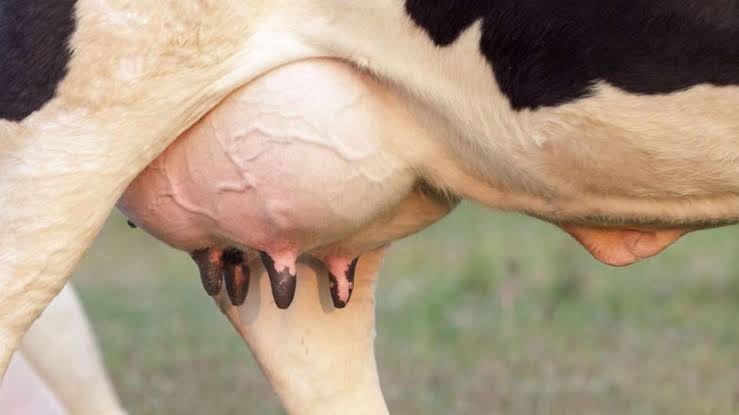
Mastitis is one of the most common and costly diseases affecting dairy cows worldwide. It is an inflammation of the udder tissue, usually caused by bacterial infection, and it significantly reduces milk production, milk quality and farm profitability. For dairy farmers in Kenya and across Africa, mastitis control is essential for maintaining herd health and maximizing income.
Reducing mastitis requires proper hygiene, good milking practices, early detection and strong herd management. This guide explains the causes, prevention strategies, treatment options, and management practices that help reduce mastitis in dairy cows effectively.
What is Mastitis in dairy cows?
Mastitis is an infection of the mammary gland that occurs when bacteria enter the teat canal and multiply inside the udder. The infection causes swelling, pain, and changes in milk quality. Infected milk may appear watery, clotted or contain flakes.
There are two main types of mastitis: clinical and subclinical. Clinical mastitis shows visible signs such as swollen udders and abnormal milk. Subclinical mastitis has no visible symptoms but reduces milk production and quality silently. Subclinical mastitis is often more dangerous because farmers may not detect it early.
Understanding the nature of mastitis is the first step in preventing it.
Common causes of mastitis in dairy cows
Mastitis is mainly caused by bacteria such as Staphylococcus aureus, Streptococcus species and Escherichia coli. These bacteria thrive in dirty environments and can spread during milking.
Poor hygiene in the cowshed, contaminated milking equipment, wet bedding, and improper milking techniques increase the risk of infection. Injuries to the teat and stress can also make cows more vulnerable.
Environmental conditions play a major role. Muddy, damp, and poorly ventilated housing creates an ideal environment for bacteria growth. Therefore, cleanliness is critical in mastitis prevention.
Importance of clean housing and bedding
Maintaining a clean cowshed is one of the most effective ways to reduce mastitis. Dairy cows should rest in dry, clean and comfortable bedding. Wet and dirty bedding increases bacterial contamination around the udder.
Regular removal of manure and replacement of bedding materials such as sawdust or straw helps keep bacteria levels low. Proper drainage systems prevent accumulation of urine and water in the shed.
Ventilation is equally important. Good airflow reduces humidity, which limits bacterial growth. A well-designed cowshed contributes significantly to mastitis control.
Proper milking hygiene and procedures
Milking hygiene directly affects udder health. Before milking, the udder and teats should be cleaned using clean water and dried with individual towels. Using one towel for multiple cows increases the risk of spreading infection.
Milkers should wash their hands thoroughly before and during milking. If using milking machines, ensure they are cleaned and sanitized after every milking session. Faulty or poorly maintained machines can injure teats and increase infection risk.
After milking, teat dipping with an approved disinfectant is highly recommended. Post-milking teat dipping helps kill bacteria and protects the teat canal while it closes naturally.
Early detection and regular testing
Early detection of mastitis reduces severe damage and treatment costs. Farmers should observe milk carefully during milking. Any signs of clots, discoloration or watery texture may indicate infection.
Regular testing using simple methods such as the California Mastitis Test helps detect subclinical mastitis. Early identification allows prompt treatment and prevents spread to other cows.
Keeping proper health records helps track recurring infections and identify cows that may require special attention or culling.
Nutrition and Immune System Support
A strong immune system helps cows resist infections. Proper nutrition plays a major role in mastitis prevention. Dairy cows require balanced diets rich in energy, protein, vitamins, and minerals.
Minerals such as selenium and zinc are important for udder health. Adequate clean drinking water is also essential for maintaining overall health and milk production.
Stress reduction is equally important. Overcrowding, poor feeding schedules, and sudden environmental changes weaken immunity and increase susceptibility to disease.
Dry cow therapy and preventive treatment
Dry cow therapy involves treating cows with long-acting antibiotics at the end of lactation. This method helps eliminate existing infections and prevent new ones during the dry period.
Consulting a qualified veterinarian before administering treatment ensures correct dosage and prevents antibiotic resistance. Preventive vaccination programs may also help reduce certain types of mastitis.
Never use antibiotics without professional guidance, as improper use may lead to drug resistance and milk rejection due to residue contamination.
Economic impact of mastitis on dairy farms
Mastitis leads to reduced milk yield, discarded milk, treatment costs and sometimes loss of affected cows. Subclinical mastitis lowers milk quality, affecting market prices and processor acceptance.
By investing in prevention strategies, farmers save money in the long term. Healthy cows produce more milk, have longer productive lives, and contribute to higher farm profitability.
Reducing mastitis in dairy cows requires consistent hygiene, proper milking practices, early detection, balanced nutrition and veterinary support. It is not a one-time effort but a continuous management practice.
Dairy farmers who prioritize udder health benefit from improved milk quality, higher production and better profits. By maintaining clean housing, practicing proper milking procedures, and monitoring cow health regularly, mastitis can be significantly reduced.

Author: Moureen Koech
Moureen Koech is a passionate Digital Journalist, an adept Agribusiness Writer with a keen eye for news and an impactful story-teller,whose stories provide key value to Agripreneurs and stakeholders in the Agricultural sector