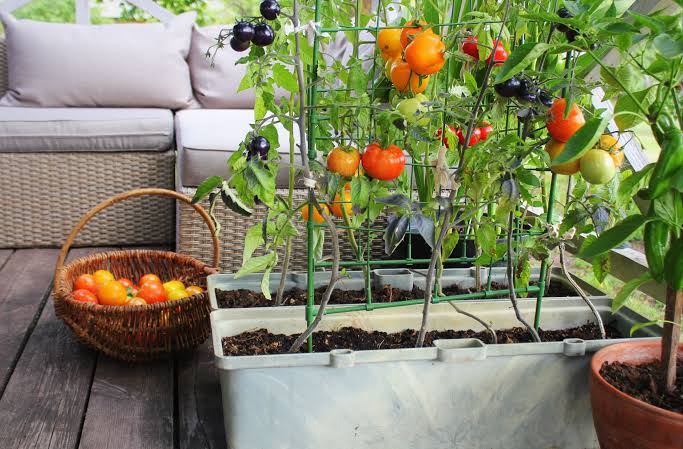
Kitchen gardens are traditionally associated with growing vegetables and herbs for household consumption. However, with increasing demand for fresh, healthy and locally produced food, many farmers and entrepreneurs are transforming kitchen gardens into profitable commercial ventures. A well-planned commercial kitchen garden can generate a steady income while requiring relatively small land sizes and modest startup capital.
Whether you have a backyard, a small plot or a larger piece of land, careful planning is essential for maximizing production, maintaining consistent quality and meeting market demand. Success depends on selecting the right crops, managing resources efficiently, and adopting sound farming practices that ensure year-round production.
Define your business goals
Every successful commercial kitchen garden begins with clear objectives. Before planting, determine whether your primary goal is supplying local markets, supermarkets, hotels, restaurants, schools, grocery stores, or direct consumers. Understanding your target market helps you choose suitable crops, estimate production volumes and develop an effective marketing strategy.
You should also establish a realistic budget that covers land preparation, seeds or seedlings, irrigation equipment, fertilizers, pest management, labor, packaging and transportation. Proper financial planning reduces unexpected expenses and improves business sustainability.
Choose the right location
The location of your commercial kitchen garden plays a major role in productivity and profitability. Select land that receives at least six to eight hours of direct sunlight daily, as most vegetables require full sunlight for healthy growth.
Access to a reliable water source is equally important because vegetables require regular irrigation, especially during dry seasons. The site should also have fertile, well-drained soil to prevent waterlogging, which can encourage root diseases.
Locating the garden close to markets or main roads can reduce transportation costs and ensure fresh produce reaches customers quickly.
Conduct soil testing
Healthy soil forms the foundation of a productive commercial kitchen garden. Before planting, conduct a soil test to determine nutrient levels, soil texture, and pH. The results will help you apply the appropriate fertilizers and soil amendments.
Incorporating well-decomposed compost or farmyard manure improves soil fertility, increases organic matter, enhances moisture retention, and encourages beneficial microorganisms. Most vegetables perform best in slightly acidic to neutral soils with a pH ranging from 6.0 to 7.0.
Select high-value crops
Crop selection should be guided by market demand, profitability, climate suitability and production costs. Commercial kitchen gardens often focus on fast-growing vegetables that can be harvested multiple times throughout the year.
Popular high-value crops include tomatoes, onions, spinach, kale, lettuce, cabbage, coriander, parsley, spring onions, carrots, beetroot, capsicum, cucumbers, chilies, eggplants and indigenous vegetables. Culinary herbs such as basil, rosemary, thyme, mint and oregano also attract premium prices from restaurants and supermarkets.
Growing a mix of vegetables and herbs reduces business risks and ensures continuous income throughout the year.
Design an efficient garden layout
A well-organized garden improves productivity while making routine activities such as watering, weeding, harvesting and pest monitoring easier.
Divide the land into clearly defined beds with walking paths between them. Raised beds improve drainage, reduce soil compaction, and simplify crop management. Group crops with similar water and nutrient requirements together to improve irrigation efficiency.
Tall crops should be positioned where they will not shade shorter vegetables. Planning the layout carefully also allows room for crop rotation, which helps reduce pest and disease buildup.
Install an efficient irrigation system
Reliable irrigation is essential for commercial vegetable production. Vegetables are highly sensitive to moisture stress, and inconsistent watering can reduce yields and affect product quality.
Drip irrigation is one of the most efficient systems because it delivers water directly to the root zone while minimizing evaporation and weed growth. It also reduces the spread of foliar diseases by keeping leaves dry.
Where drip systems are not feasible, watering cans, sprinklers or hose irrigation may be used, provided water is applied consistently and efficiently.
Practice crop rotation and succession planting
Continuous planting of the same crop in one area encourages the buildup of pests, diseases, and nutrient deficiencies. Crop rotation helps break pest cycles while maintaining soil health.
Succession planting involves sowing new crops at regular intervals instead of planting everything at once. This ensures a continuous supply of fresh vegetables for the market, allowing farmers to maintain consistent sales and cash flow throughout the year.
Manage pests and diseases effectively
Healthy crops are essential for producing high-quality vegetables that meet market standards. Regular inspection allows farmers to detect pest and disease problems before they become severe.
Integrated Pest Management (IPM) combines several approaches, including field sanitation, crop rotation, resistant varieties, biological control agents, and responsible use of approved pesticides when necessary.
Removing weeds, diseased plants and crop residues reduces breeding grounds for pests and disease-causing organisms. Good air circulation through proper spacing also minimizes fungal infections.
Harvest and handle produce properly
Harvest vegetables at the appropriate stage of maturity to ensure the best taste, appearance and shelf life. Early morning harvesting is generally recommended because temperatures are cooler, helping preserve freshness.
Handle produce carefully to prevent bruising and physical damage. Sort vegetables according to size and quality before packaging them in clean containers suitable for transportation. Attractive packaging enhances product presentation and increases customer confidence.
Proper storage and timely delivery are essential for maintaining freshness, especially when supplying supermarkets and restaurants.
Develop a strong marketing strategy
Producing quality vegetables is only part of running a successful commercial kitchen garden. Farmers must also identify reliable markets before planting.
Potential buyers include local open-air markets, supermarkets, grocery stores, hotels, restaurants, schools, hospitals, food processors and individual households. Direct marketing through social media platforms, online marketplaces, farmers’ markets and home delivery services can help expand your customer base and improve profit margins.
Building long-term relationships with buyers by consistently supplying fresh, high-quality produce can lead to repeat business and stable income.
Keep accurate farm records
Record keeping is an essential component of commercial farming. Maintain records of planting dates, varieties grown, fertilizer applications, irrigation schedules, pest control measures, labor costs, harvest volumes and sales.
These records help evaluate profitability, identify production challenges, improve decision-making, and plan future planting seasons more effectively.
A commercial kitchen garden offers an excellent opportunity to generate income while supplying consumers with fresh, nutritious vegetables and herbs. Success depends on careful planning, from selecting the right location and crops to managing soil fertility, irrigation, pests and marketing.
By adopting efficient production practices, maintaining consistent quality, and responding to market demand, farmers can transform even a relatively small piece of land into a productive and profitable agribusiness. With proper planning and continuous improvement, a commercial kitchen garden can provide sustainable income, contribute to food security, and support long-term agricultural success.

Author: Moureen Koech
Moureen Koech is a passionate Digital Journalist, an adept Agribusiness Writer with a keen eye for news and an impactful story-teller,whose stories provide key value to Agripreneurs and stakeholders in the Agricultural sector