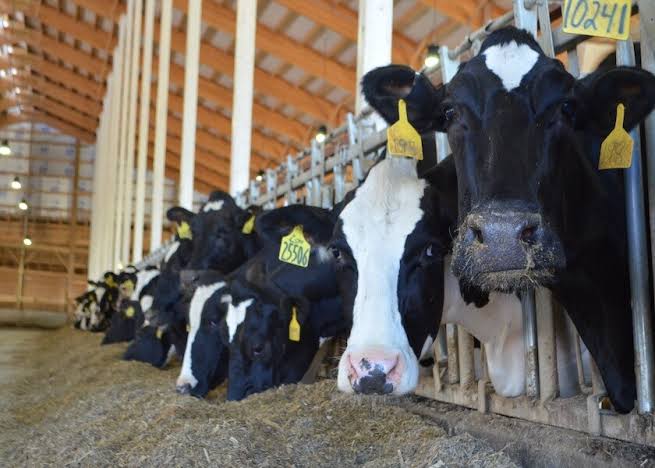
Dairy cattle perform best within a comfortable temperature range. However, during periods of high temperatures and humidity, cows struggle to regulate their body temperature, leading to heat stress. Heat stress occurs when a cow’s body generates more heat than it can lose to the surrounding environment. This condition can significantly reduce milk production, impair fertility, weaken the immune system and negatively affect the overall health and welfare of the animals.
As climate change continues to increase the frequency of hot weather, heat stress has become a growing concern for dairy farmers worldwide. Early identification of heat stress symptoms allows farmers to take prompt action, minimizing production losses and preventing serious health complications. Understanding the warning signs and implementing effective management practices are essential for maintaining a healthy and productive dairy herd.
What causes heat stress in dairy cattle?
Heat stress develops when environmental temperatures rise beyond the cow’s comfort zone, especially when accompanied by high humidity. Dairy cows naturally produce a considerable amount of body heat through digestion and milk production. High-producing cows are particularly vulnerable because their metabolic activity generates even more internal heat.
Other factors that increase the risk of heat stress include poor ventilation in animal housing, overcrowding, inadequate access to clean drinking water, long periods of direct sunlight, transportation during hot weather and limited shade in grazing areas.
Increased panting and rapid breathing
One of the earliest and most noticeable signs of heat stress is rapid breathing. As body temperature rises, cows begin to pant in an effort to cool themselves through increased evaporation from the respiratory tract.
Farmers may observe cows breathing with their mouths open, flaring their nostrils, or extending their necks while trying to increase airflow. Severe panting indicates that the animal is struggling to regulate its body temperature and requires immediate intervention.
Excessive salivation
Heat-stressed dairy cows often produce excessive saliva. Drooling helps increase evaporative cooling, but prolonged excessive salivation can also lead to the loss of important minerals and body fluids.
When heavy salivation occurs together with rapid breathing, it is usually a strong indication that the cow is experiencing significant heat stress.
Reduced feed intake
Heat stress causes cows to eat less because digestion generates additional body heat. By reducing feed consumption, the animal attempts to minimize internal heat production.
Although this is a natural response, it has negative consequences for milk production and overall productivity. Lower feed intake reduces energy and nutrient availability, resulting in weight loss, poor body condition and decreased milk yield over time.
Farmers should closely monitor feed consumption during hot weather, as sudden reductions often signal the onset of heat stress.
Declining milk production
A noticeable drop in milk production is one of the most economically significant effects of heat stress. Reduced feed intake, dehydration and physiological stress all contribute to lower milk yields.
Milk composition may also change, with reductions in butterfat and protein content. If several cows in the herd begin producing less milk during hot weather, heat stress should be considered a likely cause.
Increased water consumption
Water is essential for regulating body temperature. Heat-stressed cows drink considerably more water than usual to replace fluids lost through panting and sweating.
A dairy cow may consume well over 100 liters of water per day during extremely hot conditions. Farmers should ensure that fresh, clean drinking water is available at all times and that water troughs are easily accessible and cleaned regularly.
Lethargy and reduced activity
Cows suffering from heat stress often become less active in an attempt to conserve energy and reduce heat production. They may spend more time standing quietly or seeking cooler areas rather than grazing or interacting with other animals.
Some cows avoid lying down because standing exposes more of their body surface to moving air, allowing better heat dissipation. Prolonged standing, however, may increase the risk of hoof problems and lameness.
Elevated body temperature
An increase in body temperature is a direct indicator of heat stress. The normal body temperature of a healthy dairy cow ranges between approximately 38°C and 39.3°C.
When heat stress becomes severe, body temperature rises above normal levels. Farmers who regularly monitor rectal temperatures can detect overheating early and respond before serious health problems develop.
Reduced fertility
Heat stress negatively affects reproductive performance in both cows and bulls. Heat-stressed cows often display weak or silent signs of heat, making breeding more difficult.
Conception rates decline because heat interferes with egg development, embryo survival, and hormone balance. Pregnant cows exposed to prolonged heat stress may also face an increased risk of pregnancy loss or delivering weaker calves.
Maintaining comfortable environmental conditions during breeding seasons is essential for preserving herd fertility.
Increased susceptibility to disease
Prolonged heat stress weakens the immune system, making dairy cattle more vulnerable to infections such as mastitis, respiratory diseases, and metabolic disorders.
Stressed animals recover more slowly from illness and often require additional veterinary care. Maintaining proper nutrition, hydration, and housing conditions helps strengthen immunity during periods of hot weather.
How to prevent heat stress in dairy cattle
Preventing heat stress begins with providing adequate shade for grazing animals and ensuring well-ventilated housing for confined cattle. Natural shade from trees or constructed shelters protects cows from direct sunlight during the hottest parts of the day.
Proper ventilation, fans and cooling systems improve airflow inside dairy barns. In hotter regions, sprinklers or misting systems combined with fans effectively cool cows by promoting evaporative cooling.
Unlimited access to cool, clean drinking water is essential throughout the day. Water troughs should be strategically placed so that cows do not have to walk long distances while already experiencing heat stress.
Farmers can also adjust feeding schedules by offering larger portions during the cooler early morning and evening hours when cows are more willing to eat. High-quality, balanced diets help maintain nutrient intake despite reduced appetite.
Reducing overcrowding, minimizing unnecessary handling during peak daytime temperatures and transporting animals during cooler hours further reduce heat stress risk.
Heat stress is a major challenge in dairy farming because it affects milk production, fertility, animal health and overall farm profitability. Recognizing early warning signs such as rapid breathing, excessive salivation, reduced feed intake, declining milk yield, increased water consumption, lethargy, and elevated body temperature enables farmers to respond quickly before serious complications develop.
By providing adequate shade, clean drinking water, proper ventilation, effective cooling systems, balanced nutrition and good overall herd management, dairy farmers can protect their animals from heat stress and maintain high levels of productivity throughout the hot season. Investing in heat stress prevention not only improves animal welfare but also enhances the long-term sustainability and profitability of dairy farming.

Author: Moureen Koech
Moureen Koech is a passionate Digital Journalist, an adept Agribusiness Writer with a keen eye for news and an impactful story-teller,whose stories provide key value to Agripreneurs and stakeholders in the Agricultural sector