Newcastle disease is one of the most devastating viral diseases affecting poultry worldwide. It poses a major threat to both small-scale and commercial poultry farmers due to its rapid spread, high mortality rate and significant economic losses. The disease affects chickens of all ages and can also infect other bird species, including turkeys, ducks, pigeons and wild birds.
Once Newcastle disease enters a poultry farm, it can spread quickly through the flock, causing severe illness, reduced egg production, poor growth and sudden deaths. Since there is no specific cure for the disease, prevention remains the most effective way to protect your birds and safeguard your investment.
This guide explains everything poultry farmers need to know about Newcastle disease prevention, including its causes, symptoms, transmission, vaccination, and essential biosecurity measures.
What is Newcastle Disease?
Newcastle disease is a highly contagious viral disease caused by the Avian orthoavulavirus 1 (formerly known as Avian Paramyxovirus type 1). The virus attacks the respiratory, digestive, and nervous systems of infected birds.
The severity of the disease varies depending on the strain of the virus. Highly virulent strains can wipe out nearly an entire flock within a few days if preventive measures are not in place.
Newcastle disease spreads rapidly and has serious economic consequences, it is considered one of the most important poultry diseases globally.
How Newcastle disease spreads
The virus spreads easily through direct contact with infected birds and their droppings. It can also be transmitted through contaminated feed, drinking water, equipment, cages, egg trays, clothing, footwear and vehicles moving between poultry farms.
Wild birds, live bird markets, traders and visitors can unknowingly carry the virus from one farm to another. Introducing newly purchased birds without proper quarantine is another common source of infection.
Since the virus survives for varying periods in organic matter, poor sanitation significantly increases the risk of outbreaks.
Common symptoms of Newcastle disease
Recognizing the early signs of Newcastle disease allows farmers to take immediate action and reduce disease spread.
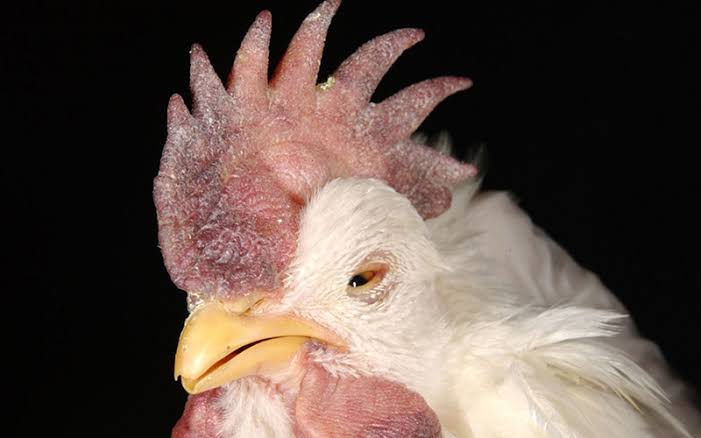
Affected birds may show respiratory symptoms such as coughing, sneezing, gasping for air, nasal discharge and difficulty breathing. They often become weak, lose their appetite, and appear depressed.
Digestive signs include greenish diarrhea, excessive thirst and rapid weight loss. Egg production usually drops sharply, and eggs may become smaller, misshapen, or have thin shells.
In severe cases, birds develop nervous signs such as twisted necks, paralysis, tremors, circling movements and inability to stand properly.
Unfortunately, sudden death without obvious symptoms may also occur, especially when highly virulent strains are involved.
Vaccination is the best prevention
Vaccination is the most effective method of preventing Newcastle disease. Every poultry farmer should follow a vaccination program appropriate for the type of birds being raised and the disease risk in their area.
Chicks are usually vaccinated during their first few weeks of life, followed by booster vaccinations according to veterinary recommendations. Commercial layers and breeder flocks require additional vaccinations to maintain long-term immunity.
Vaccines should always be purchased from reputable suppliers, stored under recommended cold-chain conditions and administered according to the manufacturer’s instructions.
Failure to vaccinate properly can leave birds vulnerable even when vaccines have been purchased.
Practice strict farm biosecurity
Good biosecurity is essential for preventing Newcastle disease from entering the farm.
Restrict visitors and allow only essential personnel into poultry houses. Install disinfectant footbaths at all entrances and ensure workers wear dedicated farm clothing and boots.
Clean and disinfect poultry houses, feeders, drinkers, cages and equipment regularly. Remove manure frequently and maintain proper waste disposal systems to reduce disease-causing organisms.
Vehicles entering the farm should also be cleaned and disinfected, especially if they have visited other poultry farms.
Strong biosecurity greatly reduces the likelihood of introducing the virus.
Quarantine New Birds
Never mix newly purchased birds directly with your existing flock.
New birds should be isolated in a separate quarantine area for at least two to four weeks. During this period, monitor them for signs of illness before introducing them to the main flock.
Quarantine helps prevent the accidental introduction of Newcastle disease and other infectious diseases.
Control wild birds and rodents
Wild birds can carry Newcastle disease without showing severe symptoms. Prevent them from entering poultry houses by repairing damaged wire mesh and covering ventilation openings where necessary.
Feed storage areas should be protected to discourage wild birds and rodents from contaminating feed supplies.
Rodent control programs should also be implemented because rats and mice can carry contaminated materials throughout the farm.
Maintain proper nutrition
Healthy birds have stronger immune systems and respond better to vaccination.
Provide balanced poultry feeds containing adequate protein, energy, vitamins and minerals. Ensure birds always have access to clean, fresh drinking water.
Good nutrition reduces stress and improves the birds’ ability to resist infections.
Avoid mixing birds of different ages
Keeping birds of different ages together increases the risk of disease transmission because older birds may carry infections that younger birds have not yet developed immunity against.
Whenever possible, practice the all-in, all-out production system, where birds of the same age are raised together and removed together before thorough cleaning and disinfection.
This system breaks disease cycles and improves overall flock health.
Observe birds faily
Daily monitoring allows farmers to detect health problems early before they spread throughout the flock.
Watch for coughing, sneezing, reduced feed intake, diarrhea, abnormal droppings, nervous signs, reduced egg production or sudden deaths.
Any unusual symptoms should be reported to a veterinarian immediately for diagnosis and appropriate action.
Early intervention can significantly reduce losses.
Dispose of dead birds safely
Dead birds should never be left lying around the farm because they can become sources of infection.
Dispose of carcasses through approved methods such as incineration, deep burial, or composting where permitted by local regulations.
Workers handling dead birds should wear protective gloves and wash thoroughly after disposal.
Proper carcass disposal helps prevent disease spread.
Keep accurate farm records
Good record keeping supports disease prevention by helping farmers monitor flock health, vaccination schedules, mortality rates, feed consumption and production performance.
Accurate records make it easier to identify unusual disease patterns and provide valuable information to veterinarians during investigations.
What to do during a suspected outbreak
If Newcastle disease is suspected, immediately isolate affected birds and restrict movement of birds, people, equipment and vehicles.
Do not sell or transport birds from the farm until veterinary authorities have assessed the situation. Notify a qualified veterinarian or livestock extension officer immediately for diagnosis and guidance.
Prompt reporting helps prevent the disease from spreading to neighboring farms.
Economic impact of newcastle disease
Newcastle disease can cause devastating financial losses through high bird mortality, reduced egg production, poor growth rates, increased veterinary expenses and trade restrictions.
Small-scale farmers are particularly vulnerable because losing an entire flock can eliminate months of investment.
Preventive measures such as vaccination and biosecurity are far less expensive than recovering from a major disease outbreak.
Newcastle disease remains one of the greatest threats to poultry farming, but it is largely preventable through proper management. A combination of timely vaccination, strict biosecurity, good nutrition, quarantine of new birds, daily flock monitoring and proper sanitation significantly reduces the risk of infection.
Successful poultry farming depends not only on feeding birds well but also on protecting them from devastating diseases. By implementing a comprehensive Newcastle disease prevention program, farmers can improve flock health, increase productivity, reduce mortality and build a profitable and sustainable poultry enterprise.

Author: Moureen Koech
Moureen Koech is a passionate Digital Journalist, an adept Agribusiness Writer with a keen eye for news and an impactful story-teller,whose stories provide key value to Agripreneurs and stakeholders in the Agricultural sector