Pig farming is one of the fastest-growing agribusiness opportunities because of increasing demand for pork and pig products. However, achieving good returns depends heavily on maintaining healthy animals throughout production. Diseases and internal parasites remain among the biggest causes of poor growth, reduced fertility, increased treatment costs and economic losses in pig farming.
One of the most effective ways to maintain a healthy herd is by following a proper vaccination and deworming schedule. Vaccination protects pigs against major infectious diseases, while deworming controls parasites that interfere with growth and feed utilization.
A preventive health program helps farmers reduce mortality, improve productivity and increase profitability.
Why vaccination and deworming are important in pig farming
Health management is the foundation of successful pig production.
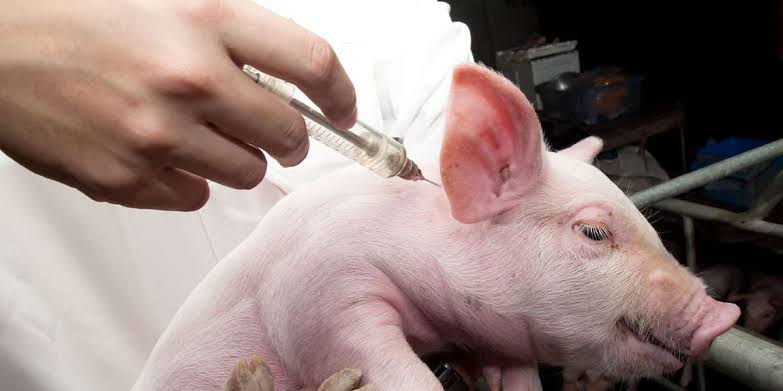
Vaccination works by stimulating the pig’s immune system to develop protection before disease exposure occurs. Vaccinated pigs are generally more resistant to disease outbreaks and recover more effectively if exposed.
Deworming controls internal parasites that feed on nutrients intended for animal growth.
When parasites are left unmanaged, pigs may grow slowly, eat poorly and become more vulnerable to disease.
Combining vaccination, deworming, nutrition, sanitation and biosecurity creates a stronger and healthier herd.
Understanding pig vaccination
Vaccination helps reduce the impact of infectious diseases that can affect productivity and farm income.
Different regions experience different disease risks, which means vaccination programs may vary depending on local veterinary recommendations.
Vaccines should be administered according to instructions and stored properly to maintain effectiveness.
Poor handling, incorrect timing, or inconsistent vaccination may reduce protection.
Farmers should always maintain records to track treatments and avoid missed vaccinations.
Piglet vaccination schedule
Piglets are particularly vulnerable because their immune systems are still developing.
During the first days after birth, piglets receive temporary protection through colostrum from the sow.
As this natural protection decreases, vaccination becomes increasingly important.
A general preventive approach may include:
Birth to first week
At this stage, piglets should receive adequate colostrum and remain in clean, warm housing.
Health monitoring is important because early stress increases disease risk.
3-6 weeks
This period often becomes important for introducing vaccines depending on farm disease risks and veterinary guidance.
Farmers should minimize stress during vaccination to support better immune response.
2-4 months
Growing piglets may receive additional vaccinations where necessary to maintain disease protection during development.
Maintaining clean housing and proper feeding improves vaccine effectiveness.
Actual schedules should always follow veterinary recommendations.
Vaccination program for grower and finisher pigs
Grower and finisher pigs require continued health protection to maintain efficient weight gain.
Disease outbreaks during this stage may slow growth and reduce feed conversion.
Vaccination schedules vary depending on production systems and local disease conditions.
Regular observation helps farmers identify health concerns early.
Healthy pigs generally reach market weight more efficiently and generate better returns.
Vaccination schedule for breeding sows and boars
Breeding animals require additional preventive care because their health directly affects reproduction and piglet survival.
Sows are often vaccinated before breeding or before farrowing to strengthen immunity and improve protection transferred to piglets.
Boars should also remain under regular preventive health programs to maintain reproductive performance.
Good breeding herd management contributes to healthier offspring and improved productivity.
Veterinary guidance is important when planning breeding vaccinations.
Common diseases controlled through vaccination
Vaccination programs are designed to reduce the risk of important infectious diseases depending on regional conditions.
Disease prevention needs differ from one area to another.
Farmers should work with animal health professionals to determine which vaccines are suitable for their operations.
Vaccination should support broader farm management practices rather than replace sanitation and biosecurity.
Understanding deworming in pigs
Deworming is essential for controlling internal parasites that reduce productivity.
Parasites compete with pigs for nutrients and may damage digestion and growth.
Even pigs that appear healthy may carry parasite burdens that reduce efficiency.
Regular parasite control improves nutrient utilization and supports stronger performance.
Clean housing and proper manure management reduce reinfection.
Recommended pig deworming schedule
Deworming intervals depend on production systems, environmental conditions and veterinary recommendations.
Piglets
Young pigs should be monitored closely because parasite infections can affect growth and immunity.
Early intervention supports healthy development.
Growing Pigs
Growing animals often require regular parasite control to maintain efficient feed conversion and healthy weight gain.
Monitoring body condition helps evaluate effectiveness.
Breeding animals
Sows and boars may benefit from scheduled deworming before breeding or farrowing periods.
Good parasite control supports reproductive performance.
Farmers should avoid overusing dewormers because excessive treatment may contribute to resistance.
Signs your pigs may need deworming
Farmers should observe animals regularly for warning signs.
Common indicators may include:
- Slow growth
- Reduced appetite
- Rough body condition
- Weight loss
- Diarrhea
- Poor feed efficiency
- Uneven herd performance
Laboratory testing may help confirm parasite problems where available.
Early action reduces production losses.
Biosecurity practices that support vaccination and deworming
Vaccination and deworming alone cannot guarantee healthy pigs.
Strong biosecurity reduces disease exposure and improves overall herd health.
Farmers should control farm access, isolate new animals, disinfect equipment and maintain clean housing.
Proper manure disposal and rodent control further reduce disease risks.
Biosecurity strengthens the effectiveness of health programs.
Common mistakes farmers make
Some farmers vaccinate animals that are already sick or severely stressed, reducing vaccine performance.
Others fail to store vaccines correctly or skip treatment schedules.
Overcrowding and poor hygiene increase disease pressure.
Using dewormers too frequently may encourage parasite resistance.
Successful health programs require consistency and good management.
Record keeping improves herd health
Health records are essential for tracking treatments and evaluating results.
Farmers should document vaccination dates, deworming schedules, observations and product information.
Accurate records reduce missed treatments and support better planning.
Good records also help veterinarians recommend improvements.
A proper pig vaccination and deworming schedule is one of the most valuable investments in pig farming.
Vaccination protects animals from disease while deworming improves growth and feed efficiency.
When combined with strong biosecurity, good nutrition, clean housing and regular monitoring, preventive health programs support profitable pig production.
Farmers who prioritize herd health are more likely to achieve faster growth, lower losses and sustainable agribusiness success.

Author: Moureen Koech
Moureen Koech is a passionate Digital Journalist, an adept Agribusiness Writer with a keen eye for news and an impactful story-teller,whose stories provide key value to Agripreneurs and stakeholders in the Agricultural sector