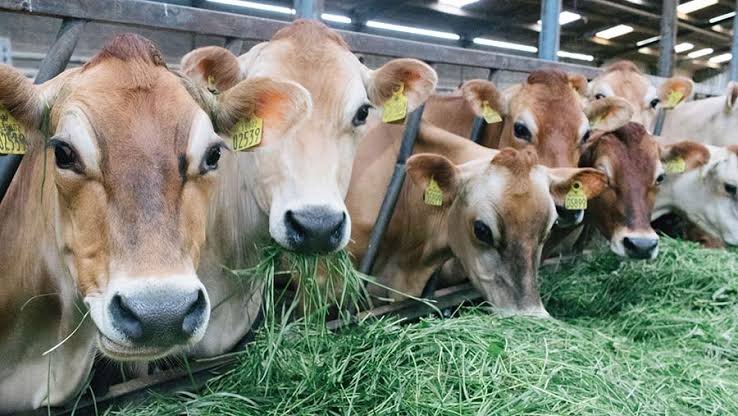
Zero grazing is rapidly becoming one of the most profitable dairy farming systems for farmers who want to produce more milk using less land. As land sizes continue to shrink and dairy demand grows, many farmers are moving away from traditional grazing and adopting controlled feeding systems to maximize productivity.
In a zero-grazing system, cows remain in a specially designed housing unit while farmers provide all feed and water requirements. This approach allows better feed management, easier disease control, efficient manure collection and improved milk production.
However, before starting, one important question remains: How much does it cost to set up a zero-grazing unit?
The answer depends on your farm size, housing design, dairy breed, feeding strategy and management goals. While startup costs vary, proper planning can turn zero grazing into a highly productive and sustainable agribusiness.
What is zero grazing?
Zero grazing is an intensive dairy production system where cattle are housed in one location and all feed and water are supplied directly.
Unlike open grazing, animals do not move around searching for pasture. Farmers control nutrition, health management, breeding and milk production more efficiently.
This system is especially suitable for farmers with limited land who want to maintain high-output dairy production.
Although it requires initial investment, zero grazing can produce consistent returns when managed well.
Cost of building a zero-grazing unit
Housing is usually the first and largest investment.
A good zero-grazing structure should provide enough space for feeding, resting, movement, ventilation and manure management.
Construction costs normally include flooring, roofing, walls, feeding troughs, water points, drainage channels and labor.The choice of materials often affects total costs. Permanent structures often cost more initially but may reduce maintenance expenses in the future.
A well-designed unit improves cow comfort and supports higher milk yields.
Water installation and supply costs
Water is a critical requirement in dairy production.High-producing cows consume significant amounts of water daily, making reliable supply systems essential.
Water setup may involve storage tanks, piping, water troughs, pumps and rainwater harvesting systems where applicable.Continuous access to clean water thus improves feed intake, digestion and milk production.
Poor water planning often becomes one of the hidden costs that affect dairy performance.
Feed storage and feeding infrastructure costs
Feed contributes a large share of dairy production expenses.
Since zero-grazed cows cannot access pasture directly, farmers must invest in feeding systems and storage facilities.
Common infrastructure includes feed stores, silage pits, hay sheds, feeding troughs and equipment for transporting feed.
Proper storage protects feed quality and minimizes losses caused by weather, pests and spoilage.
Good feeding infrastructure supports efficient dairy management and healthier animals.
Cost of purchasing dairy cows
Choosing dairy animals is one of the most important investment decisions.Prices vary depending on breed, production level, age and health condition.
Farmers should focus on healthy, productive animals rather than choosing solely based on price.
Additional expenses may include transport, veterinary inspection and initial management costs.
Quality cows often provide stronger long-term returns through higher milk output.
Fodder production costs
Feed security determines whether a zero-grazing project succeeds.
Many dairy farmers establish fodder plots to reduce dependence on purchased feeds.
Expenses may include land preparation, planting materials, irrigation, fertilizers and labor.Popular fodder options include Napier grass, maize for silage, lucerne and Rhodes grass.
Producing fodder on-farm helps stabilize feeding costs and improve profitability.
Milking equipment and dairy tools
Milking infrastructure affects both efficiency and milk quality.Small-scale farms may start with manual systems while larger operations often adopt mechanized solutions.
Initial purchases may include milk cans, buckets, storage containers, cleaning supplies and milking machines.Proper equipment reduces contamination risks and supports quality milk production.
Farmers should choose equipment based on production goals and available capital.
Animal health and biosecurity costs
Healthy cows are the foundation of profitable dairy farming.
Startup costs should include preventive health programs such as vaccinations, deworming, veterinary services and sanitation systems.
Biosecurity investments may involve footbaths, disinfectants, quarantine areas and hygiene supplies.Preventive health management lowers future treatment costs and reduces production losses.
Labor and daily management expenses
Zero grazing requires daily management and consistent attention.Routine activities include feeding, cleaning, milking, manure handling, health checks and record keeping.
Labor costs depend on herd size and whether operations rely on family labor or hired workers.
Efficient management systems improve productivity and reduce operational inefficiencies.
How to reduce zero grazing setup costs
Starting small is often the best strategy for new dairy farmers.Building expandable housing allows future growth without excessive initial spending.
Using locally available construction materials can reduce costs significantly.
Producing fodder on-farm lowers dependence on purchased feed.
Gradual expansion allows farmers to manage cash flow while building a sustainable enterprise.
Is zero grazing worth the investment?
Zero grazing can become highly profitable when supported by proper planning and management.
The system improves feed efficiency, supports better herd monitoring, increases milk production potential and maximizes land use.
Profitability depends on feed costs, animal productivity, milk prices and management practices.Farmers who maintain healthy animals and efficient feeding programs often achieve strong returns
Zero grazing remains one of the most practical dairy farming systems for farmers seeking higher productivity from limited land.
Although startup costs include housing, water systems, feeding infrastructure, dairy animals, fodder production and health management, strategic planning makes the investment worthwhile.
With good management and gradual expansion, zero grazing can become a reliable source of income and a sustainable long-term agribusiness opportunity.

Author: Moureen Koech
Moureen Koech is a passionate Digital Journalist, an adept Agribusiness Writer with a keen eye for news and an impactful story-teller,whose stories provide key value to Agripreneurs and stakeholders in the Agricultural sector