Poultry farming is one of the most profitable agribusinesses, but diseases remain a major challenge for farmers. Poultry diseases can spread quickly, causing heavy losses through poor growth, reduced egg production and high mortality rates. Early detection of disease symptoms is essential for preventing outbreaks and protecting flock health.
Understanding common poultry disease symptoms helps farmers respond quickly, seek treatment early and reduce the spread of infections within the flock. Proper management and regular monitoring are key to maintaining healthy birds and improving farm productivity.
Importance of identifying poultry disease symptoms
Recognizing disease symptoms early allows farmers to take immediate action before the condition worsens. Many poultry diseases spread rapidly, especially in crowded or poorly managed housing systems.
Early identification helps:
- Reduce bird deaths
- Prevent disease spread
- Improve treatment success
- Protect farm profits
Healthy birds grow faster, produce more eggs, and perform better overall.
Loss of appetite
One of the earliest signs of illness in poultry is reduced feeding. Sick birds often lose interest in food and water, leading to poor growth and weakness.
Birds that stop eating may:
- Become inactive
- Lose weight quickly
- Appear weak and dull
Loss of appetite can be caused by bacterial, viral, or parasitic infections and should never be ignored.
Diarrhea in poultry
Diarrhea is a common symptom of many poultry diseases. The droppings may appear watery, green, yellow, white, or bloody depending on the disease involved.
Persistent diarrhea can lead to dehydration and weakness. It may also indicate serious infections such as coccidiosis, Newcastle disease, or bacterial infections.
Maintaining proper hygiene and clean drinking water helps reduce the risk of diarrheal diseases.
Coughing and sneezing
Respiratory symptoms are very common in poultry diseases. Birds with respiratory infections may cough, sneeze, or make unusual breathing sounds.
Other signs may include:
- Nasal discharge
- Swollen eyes
- Difficulty breathing
Diseases such as infectious bronchitis, Newcastle disease, and avian influenza often affect the respiratory system.
Poor ventilation and overcrowding can increase the spread of respiratory diseases.
Drooping wings and weakness
Sick birds often appear weak and inactive. They may isolate themselves from the rest of the flock and keep their wings drooping.
Weakness can result from:
- Nutritional deficiencies
- Viral infections
- Severe dehydration
- Internal parasites
Birds showing extreme weakness should be isolated and examined immediately.
Reduced egg production
A sudden drop in egg production is often a sign of disease or stress in laying hens. Some diseases also cause poor egg quality, including soft shells or misshapen eggs.
Common causes include:
- Newcastle disease
- Infectious bronchitis
- Poor nutrition
- Heat stress
Farmers should monitor egg production closely to detect problems early.
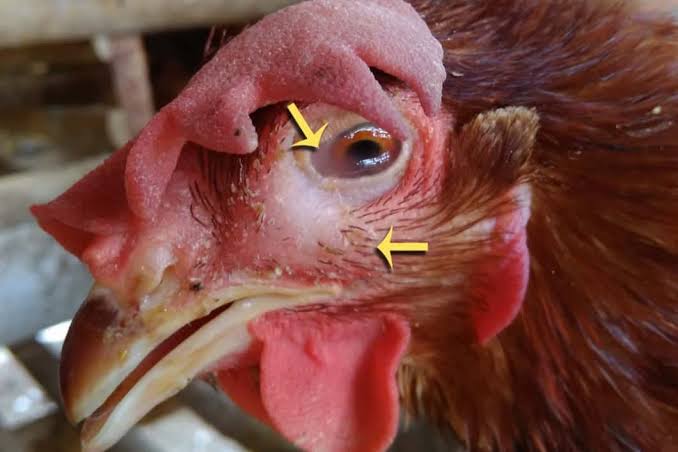
Swollen head, eyes or face
Swelling around the eyes, face, or head may indicate respiratory infections or bacterial diseases. Birds may also develop watery eyes or discharge from the nostrils.
In severe cases, swelling can affect feeding and breathing. Quick treatment and proper isolation are important to prevent disease spread.
Paralysis and difficulty walking
Some poultry diseases affect the nervous system, causing birds to lose balance or become paralyzed. Affected birds may struggle to walk, twist their necks, or remain lying down.
These symptoms are commonly associated with diseases such as:
- Marek’s disease
- Newcastle disease
- Vitamin deficiencies
Paralysis is often a serious sign that requires urgent attention.
Feather loss and poor feather condition
Unhealthy feathers may indicate disease, parasites, or poor nutrition. Sick birds often appear rough, dirty, or poorly feathered.
External parasites such as mites and lice can also cause feather loss and irritation. Maintaining proper hygiene and balanced feeding helps improve feather condition and bird health.
Sudden death in poultry
Sudden death without obvious symptoms can occur in severe disease outbreaks. Highly contagious diseases such as avian influenza or Newcastle disease may kill birds rapidly.
When sudden deaths occur, farmers should:
- Isolate affected birds
- Avoid selling or moving birds
- Contact a veterinarian immediately
Quick action is necessary to prevent massive losses.
Pale combs and wattles
Healthy poultry usually have bright red combs and wattles. Pale or discolored combs may indicate poor blood circulation, anemia, parasites, or disease.
Pale combs are commonly seen in birds suffering from worm infestations or severe infections. Farmers should investigate the cause and provide appropriate treatment.
Common causes of poultry diseases
Poultry diseases can result from viruses, bacteria, fungi, parasites, poor hygiene, or nutritional deficiencies. Stress caused by overcrowding, poor ventilation, and sudden weather changes can also weaken bird immunity.
Dirty housing and contaminated feed or water increase the spread of infections. Proper farm management is essential for disease prevention.
Disease prevention in poultry farming
Preventing diseases is more effective and cheaper than treating sick birds. Farmers should maintain strict hygiene and biosecurity measures to protect their flocks.
Important prevention measures include:
- Vaccinating birds regularly
- Cleaning poultry houses frequently
- Providing clean feed and water
- Avoiding overcrowding
- Isolating sick birds immediately
Good nutrition also strengthens bird immunity and reduces disease risks.
Importance of vaccination
Vaccination is one of the most effective ways to control poultry diseases. Vaccines help birds develop immunity against common infections.
Farmers should follow recommended vaccination schedules based on bird type and age. Proper vaccine storage and administration are important for effectiveness.
When to seek veterinary help
Farmers should seek veterinary assistance whenever disease symptoms become severe or spread rapidly. Delayed treatment can lead to heavy losses and increased mortality.
A veterinarian can diagnose the disease correctly and recommend proper treatment or preventive measures.
Poultry disease symptoms should never be ignored because early detection is essential for protecting flock health and farm profitability. Signs such as coughing, diarrhea, weakness, reduced egg production and sudden death often indicate serious health problems.
By practicing proper hygiene, vaccination, good nutrition and biosecurity, farmers can greatly reduce disease outbreaks and maintain healthy poultry flocks. Regular observation and quick response are key to successful poultry farming and long-term productivity.

Author: Moureen Koech
Moureen Koech is a passionate Digital Journalist, an adept Agribusiness Writer with a keen eye for news and an impactful story-teller,whose stories provide key value to Agripreneurs and stakeholders in the Agricultural sector