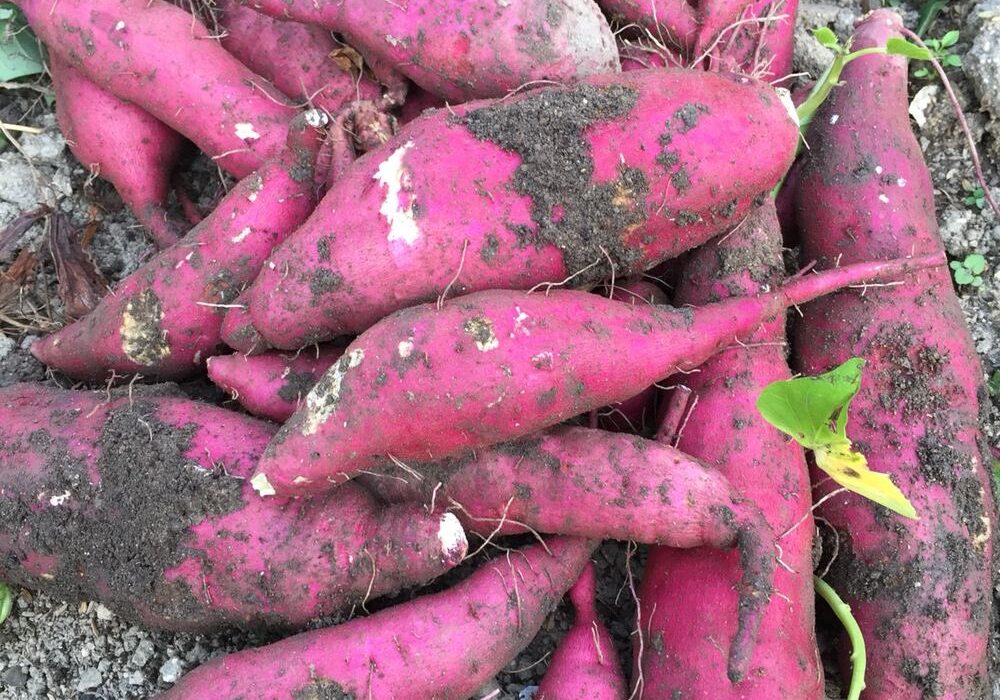
Sweet potato farming is one of the most rewarding agricultural enterprises in Kenya. As a drought-tolerant crop with low production costs and high nutritional value, sweet potatoes have become increasingly popular among both small-scale and commercial farmers. Besides producing delicious and nutritious roots, the crop also provides vines that serve as excellent livestock feed, making it a dual-purpose investment.
With proper crop management, farmers can harvest between 15 and 30 tonnes per hectare, depending on the variety, soil fertility, and farming practices. As demand continues to rise from households, food processors, livestock farmers and export markets, sweet potato farming presents an excellent opportunity to generate sustainable income.
Why sweet potato farming is profitable
Sweet potatoes are rich in carbohydrates, vitamins, antioxidants and dietary fiber, making them an important food security crop. Orange-fleshed varieties are especially valued because they contain high levels of Vitamin A, which helps combat malnutrition.
The crop offers several advantages to farmers, including:
- High tolerance to drought and changing weather conditions.
- Short maturity period of 3–5 months.
- Low production and maintenance costs.
- Multiple income streams from roots, vines and seed production.
- Strong demand in local markets, schools, supermarkets, processors, and animal feed producers.
With good planning and proper management, sweet potato farming can provide consistent returns throughout the year.
Ideal climate and soil requirements
Sweet potatoes thrive under warm climatic conditions and perform best where temperatures range between 20°C and 30°C. The crop grows well in areas receiving moderate rainfall but can also perform exceptionally well under irrigation.
The best soils for sweet potato production are well-drained sandy loam or loamy soils with a pH ranging from 5.5 to 6.8. Good drainage is critical because waterlogged soils encourage root rot, reduce tuber formation and lower yields.
Farmers should avoid heavy clay soils that retain excessive moisture and instead select fields with loose soils that allow roots to expand freely.
Proper land preparation
Successful sweet potato production begins with proper land preparation. The land should be ploughed and harrowed thoroughly to create a fine seedbed that promotes healthy root development.
After land preparation, farmers should construct ridges or mounds. Raised planting structures improve drainage, encourage larger tubers and make harvesting easier while reducing the risk of root diseases.
Before planting, incorporate well-decomposed farmyard manure or compost into the soil. Organic matter improves soil structure, enhances moisture retention and supplies essential nutrients that support vigorous crop growth.
Selecting quality planting material
The quality of planting material has a direct impact on crop performance. Farmers should use healthy, disease-free vine cuttings obtained from vigorous, high-yielding varieties.
Ideal vine cuttings should:
- Measure approximately 25–30 cm long
- Contain several healthy nodes.
- Be taken from vigorous mother plants.
- Show no signs of pests or diseases.
Avoid using old, weak or infected vines, as they may introduce diseases into the field and significantly reduce yields.
Planting sweet potatoes
Planting should be done at the onset of the rainy season to ensure adequate moisture for establishment. Where rainfall is unreliable, irrigation should be provided immediately after planting.
Each vine should be planted on ridges with two to three nodes buried in the soil, leaving the remaining portion above the surface to encourage rapid growth.
The recommended spacing is:
- 30 cm between plants
- 75–100 cm between rows
Proper spacing allows sufficient room for root development, improves air circulation, reduces disease pressure and simplifies field management.
Fertilizer and nutrient management
Sweet potatoes respond well to soils enriched with organic matter. Applying compost or well-rotted farmyard manure before planting significantly improves soil fertility and supports healthy root development.
Where soil nutrient levels are low, farmers should apply balanced fertilizers based on soil test recommendations. Soil testing helps determine the exact nutrient deficiencies and prevents unnecessary fertilizer use.
Excessive nitrogen fertilizer should be avoided because it stimulates vigorous vine growth while reducing tuber formation. Balanced nutrition encourages both healthy foliage and high-quality root production.
Weed control and irrigation
Weed management is especially important during the first six to eight weeks after planting, when young plants are establishing themselves. Weeds compete with sweet potatoes for nutrients, water and sunlight, reducing yields if left uncontrolled.
Regular hand weeding or shallow cultivation during the early growth stages helps maintain a clean field. Once the vines spread and cover the ground, they naturally suppress most weeds by shading the soil.
Water management also plays a crucial role in maximizing production. The crop requires consistent moisture during establishment and root formation. However, irrigation should be reduced as the crop approaches maturity to improve root quality, reduce cracking, and minimize rotting.
Pest and disease management
Although sweet potatoes are relatively hardy, several pests and diseases can affect production if not managed properly.
Common pests include:
- Sweet potato weevils
- Aphids
- Caterpillars
Major diseases include:
- Sweet potato virus disease
- Alternaria leaf spot
- Root rot
Integrated pest and disease management is the most effective approach. Farmers should use clean planting materials, practice crop rotation, remove and destroy infected plants, maintain field hygiene, and regularly monitor crops for early signs of infestation.
Timely intervention helps minimize losses and protects both yield and quality.
Harvesting sweet potatoes
Sweet potatoes generally mature within three to five months after planting, depending on the variety and growing conditions.
The crop is ready for harvesting when:
- Leaves begin to yellow naturally.
- Tubers reach the desired market size.
- The skin becomes firm and does not peel off easily when rubbed.
Harvest carefully using forks or hoes to minimize cuts and bruises. Damaged roots spoil quickly and have a shorter storage life.
Harvesting during dry weather also helps reduce post-harvest losses and improves storage quality.
Storage and marketing
Proper post-harvest handling preserves quality and increases profits. Freshly harvested roots should be cured in a warm, well-ventilated area for 7–10 days. Curing heals minor wounds, reduces moisture loss and extends shelf life.
After curing, store the roots in a cool, dry, and well-ventilated room. Remove damaged or diseased tubers before storage to minimize spoilage.
Sweet potatoes enjoy a wide market in Kenya. Farmers can sell fresh roots to households, retailers, wholesalers, supermarkets, schools, hotels, and food processors. Additional income opportunities exist through value addition by producing flour, chips, crisps, puree and baby foods. Farmers can also earn from selling quality seed vines and supplying vines as nutritious livestock feed.
Sweet potato farming is more than just growing a staple food crop, it is a profitable agribusiness with multiple income opportunities. The crop’s resilience to drought, relatively low production costs, short maturity period, and growing market demand make it an excellent choice for farmers seeking reliable returns.
Success begins with selecting healthy vine cuttings, preparing fertile and well-drained land, planting at the correct spacing, managing weeds and pests effectively, and harvesting at the right stage of maturity. By following recommended agronomic practices and investing in proper post-harvest handling, farmers can consistently achieve high yields, produce quality tubers and maximize profits from sweet potato farming.

Author: Moureen Koech
Moureen Koech is a passionate Digital Journalist, an adept Agribusiness Writer with a keen eye for news and an impactful story-teller,whose stories provide key value to Agripreneurs and stakeholders in the Agricultural sector