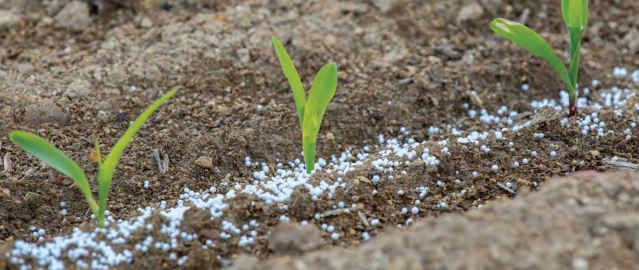
Inorganic fertilizers, also known as chemical fertilizers, have become an essential part of modern agriculture due to their ability to supply plants with concentrated nutrients that support rapid growth and high productivity. These fertilizers mainly contain nitrogen, phosphorus and potassium, often referred to as NPK, which are the core nutrients required for plant development. Nitrogen promotes leafy growth, phosphorus enhances root formation and flowering, while potassium strengthens plant structures and improves fruit quality. Because these nutrients are provided in forms that plants can readily absorb, farmers often depend on inorganic fertilizers to meet the growing demand for food production.
One of the most significant effects of inorganic fertilizers is their ability to boost crop growth within a short period. When applied correctly, plants respond almost immediately, showing healthier, greener leaves and faster development. This quick nutrient uptake makes inorganic fertilizers ideal for commercial growers who need consistent and predictable results. For example, vegetables such as cabbages, tomatoes and spinach tend to show dramatic improvement in size and color when grown with the right fertilizer application. This efficiency is especially useful in areas with poor soil fertility, where natural nutrient levels may be too low to sustain meaningful production. By supplying the exact nutrients needed, chemical fertilizers help farmers achieve higher yields and better crop quality, contributing significantly to food security.
Another advantage of inorganic fertilizers is their convenience. They are easy to transport, store and apply, making them suitable for both small-scale and large-scale farming operations. They also come in different formulations tailored to specific crop needs, soil conditions, or growth stages. This flexibility allows farmers to choose fertilizers that match their production goals. Because these fertilizers dissolve easily in water and release nutrients quickly, they are highly effective in intensive farming systems such as greenhouse production, irrigation-based farming, and hydroponics. As a result, many farmers rely on inorganic fertilizers to maximize output, especially in competitive agricultural markets.
Despite their many benefits, inorganic fertilizers also have negative effects, especially when used irresponsibly or in excessive quantities. One of the major concerns is soil degradation. Over time, continuous application of chemical fertilizers without adding organic matter can reduce soil fertility. This happens because inorganic fertilizers do not contribute to the organic content of soil, which is essential for maintaining structure, moisture retention and microbial activity. Without these natural components, soil becomes compacted, loses its ability to retain nutrients and becomes more prone to erosion. In extreme cases, the soil may become so depleted that crops fail to grow unless large amounts of fertilizers are continuously applied.
Another harmful effect is nutrient leaching. When chemical fertilizers are applied in excess or just before heavy rainfall, nutrients such as nitrogen are washed away into rivers, lakes and underground water sources. This runoff causes water pollution and contributes to a problem known as eutrophication, where nutrient-rich water leads to the overgrowth of algae. As algae multiply, they consume oxygen in the water, suffocating fish and other aquatic life. This environmental impact makes fertilizer misuse a major global concern. Additionally, chemical residues can contaminate drinking water, posing potential health risks to humans and animals.
In some cases, inorganic fertilizers can also directly harm plants. When applied in very high concentrations, they may burn plant roots or interfere with normal physiological processes. Excess nitrogen, for example, can cause plants to grow too quickly, producing weak stems that break easily or making crops more susceptible to pests and diseases. Over-fertilized fruit and vegetable crops may also have poor storage quality, affecting market value and consumer satisfaction.
In conclusion, inorganic fertilizers play a crucial role in supporting plant growth and boosting agricultural productivity. Their ability to supply readily available nutrients makes them highly effective, especially in large-scale and intensive farming. However, their negative effects cannot be ignored. Overuse leads to soil degradation, environmental pollution and reduced long-term sustainability. The key to benefiting from inorganic fertilizers lies in responsible and balanced use. Combining them with organic fertilizers, practicing soil testing and adopting good farming practices ensures that crops receive adequate nutrients without compromising soil health or the environment. By using inorganic fertilizers wisely, farmers can achieve high yields while maintaining sustainable and environmentally friendly agricultural systems.

Author: Moureen Koech
Moureen Koech is a passionate Digital Journalist, an adept Agribusiness Writer with a keen eye for news and an impactful story-teller,whose stories provide key value to Agripreneurs and stakeholders in the Agricultural sector