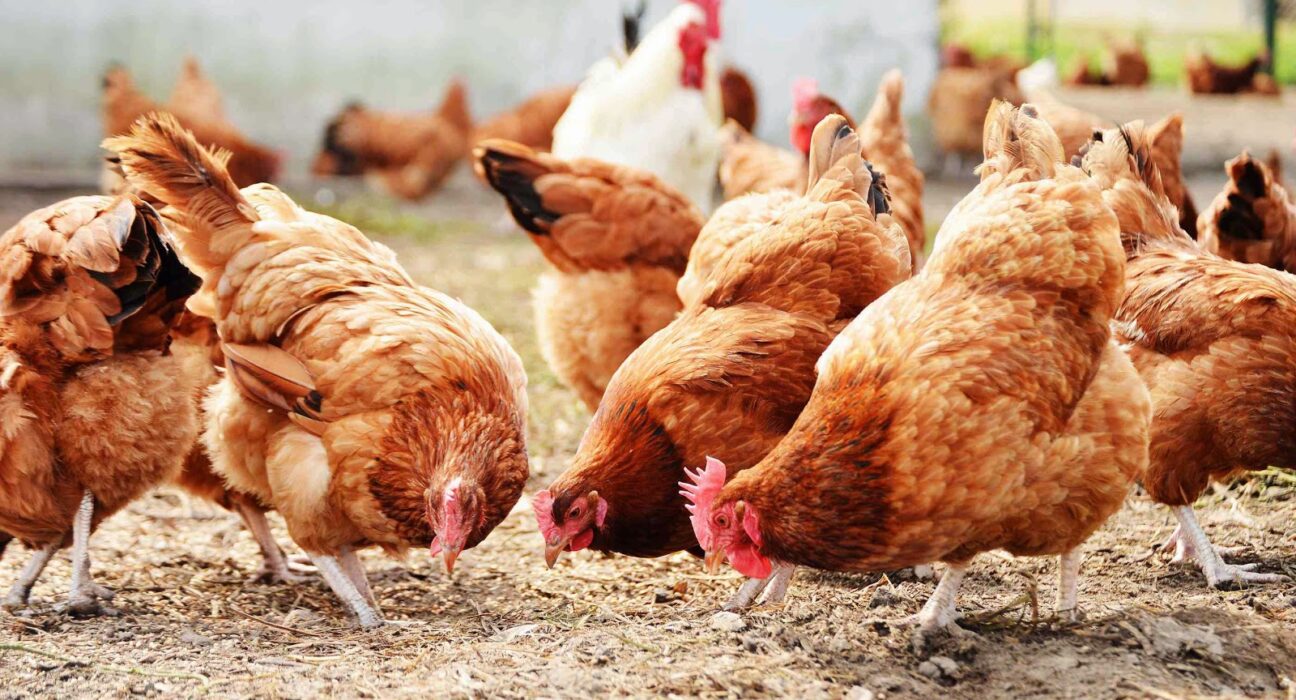
Choosing the right chicken breed is one of the most important decisions for anyone interested in egg production. Whether you are running a commercial poultry farm or managing a backyard flock, the breed you select will directly affect productivity, feed costs and overall profits.
Different chicken breeds vary in egg-laying capacity, adaptability and temperament. Some are specifically bred for high egg production, while others are better suited for small-scale or free-range systems. Understanding these differences helps farmers choose the most suitable breed for their needs.
The egg-laying champions
Commercial hybrid chickens are the top performers when it comes to egg production. These breeds are developed through selective breeding to produce large numbers of eggs consistently while using feed efficiently.
The top egg-laying champions include:
- Lohmann Brown (300–320 eggs per year)
- ISA Brown (300–320 eggs per year)
- Hy-Line Brown (300–320 eggs per year)
- White Leghorn (280–320 eggs per year)
These breeds are ideal for commercial farmers because they produce high yields and maintain consistency throughout the laying period.
Best heritage breeds for backyard farming
Heritage breeds are a great option for small-scale and backyard farmers. They are known for their hardiness, adaptability, and calm temperament.
Popular heritage breeds include:
- Rhode Island Red (250–280 eggs per year)
- Sussex (250–280 eggs per year)
- Australorp (250–300 eggs per year)
The Australorp stands out because it holds the world record for egg production in a single year, making it one of the best all-around backyard chickens.
High-performing hybrid for small farmers
Some hybrid breeds are well-suited for small-scale farming due to their productivity and friendly nature.
- Golden Comet (280–300 eggs per year)
Golden Comets are known for early maturity, meaning they start laying eggs sooner. They are also easy to manage, making them ideal for beginners.
Moderate layers with unique benefits
Some breeds may produce fewer eggs but offer additional advantages such as disease resistance and adaptability.
- Plymouth Rock (200–280 eggs per year)
- Fayoumi (180–220 eggs per year)
The Plymouth Rock is a dual-purpose breed, providing both eggs and meat. The Fayoumi, although a lower producer, is highly resistant to diseases and performs well in hot climates, making it suitable for tropical regions.
Key tips for choosing the right breed
Selecting the right breed depends on your farming goals and environment.
- Choose hybrid breeds for commercial egg production due to their high output
- Select heritage breeds for backyard farming and free-range systems
- Consider climate adaptability when selecting your birds
- Focus on temperament if you are managing a small flock
The role of lighting in egg production
Lighting plays a major role in egg production. Chickens lay eggs in response to daylight, so maintaining proper lighting is essential.
Hens require about 14 to 16 hours of light daily to maintain consistent egg production. During periods with shorter daylight hours, artificial lighting can help sustain productivity.
Choosing the best chicken breeds for egg production is key to a successful poultry business. High-performing hybrids such as Lohmann Brown, ISA Brown, Hy-Line Brown, and White Leghorn are ideal for commercial farming. Meanwhile, heritage breeds like Rhode Island Red, Sussex, and Australorp offer excellent options for backyard farmers.
Ultimately, the best breed depends on your goals, climate and management practices. By selecting the right chickens and providing proper care, farmers can achieve high egg production and build a profitable agribusiness.

Author: Moureen Koech
Moureen Koech is a passionate Digital Journalist, an adept Agribusiness Writer with a keen eye for news and an impactful story-teller,whose stories provide key value to Agripreneurs and stakeholders in the Agricultural sector