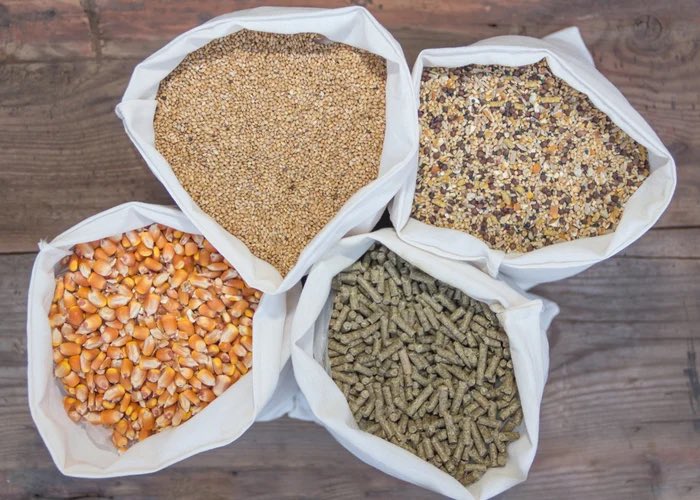
Feed is one of the most important aspects of poultry farming and it also takes up the largest share of production costs. For many farmers, making their own poultry feed is a practical way to reduce expenses while ensuring their birds receive high-quality nutrition.
There is no perfect chicken feed. However, you can formulate a feed that meets your poultry bird’s nutrient requirements by understanding their dietary needs and using the right combination of ingredients. A well-balanced feed supports growth, egg production and overall bird health.
Understanding poultry nutritional requirements
Chickens require a balanced diet made up of proteins, carbohydrates, fats, vitamins, minerals and amino acids. Each of these nutrients plays a critical role in the health and productivity of your birds.
Protein is essential for growth, feather development, and egg production. Carbohydrates provide energy, while fats support body functions and energy storage. Vitamins and minerals help boost immunity and ensure proper development.
Amino acids are particularly important because they are the building blocks of protein. Even if your feed contains enough protein, a lack of essential amino acids can limit your birds’ performance.
High-Protein ingredients for poultry feed
Protein is one of the most important nutrients in poultry feed. To ensure your chickens grow well and produce eggs efficiently, you need to include high-protein ingredients in your formulation.
Your chickens can get high amounts of protein from ingredients such as alfalfa meal, corn, field peas, wheat, crab meal, duckweed, quinoa, spelt or hulled wheat, wild rice, amaranth seeds, nyjer seeds, hemp seeds and shelled peanuts.
In addition to plant-based sources, insects such as mealworms are an excellent source of protein. They are natural, nutritious and highly beneficial for poultry.
Using a combination of these ingredients helps ensure that your chickens receive enough protein for healthy growth and high productivity.
Balancing feed with low-protein grains
While protein is essential, it should be balanced with other nutrients to create a complete and cost-effective feed. Low-protein grains play an important role in providing energy and reducing feed costs.
Examples of low-protein grains include rye, barley, buckwheat, and sorghum (milo). These ingredients are generally more affordable and help balance the higher protein content in your feed.
Including these grains in your formulation ensures that your poultry receives enough energy for daily activities while keeping feeding costs manageable.
Importance of Amino Acids in Poultry Feed
Amino acids are crucial for maximizing the benefits of protein in poultry feed. They support growth, improve feed efficiency and enhance egg production.
Your chickens can get essential amino acids from ingredients such as wheat, flaxseed, methionine, fish meal, corn gluten meal, and sesame hulls. These components help improve the overall nutritional value of the feed.
Methionine, in particular, is an essential amino acid that plays a key role in egg production and feather development. Including amino acid-rich ingredients ensures your birds perform at their best.
How to Formulate Your Own Poultry Feed
Making your own poultry feed involves combining the right ingredients in proper proportions. The goal is to create a balanced feed that meets all nutritional requirements.
Start by selecting high-protein ingredients from the list provided, such as peas, duckweed or mealworms. Then add low-protein grains like barley or sorghum to provide energy and balance the feed.
Next, include amino acid sources such as fish meal or flaxseed to improve feed quality. Mixing a variety of ingredients ensures that your poultry receives a complete and balanced diet.
It is important to mix the ingredients thoroughly so that each portion of feed contains the same nutrients. Consistency is key to maintaining healthy and productive birds.
Benefits of making your own poultry feed
One of the biggest advantages of making your own poultry feed is cost savings. By using locally available ingredients, farmers can significantly reduce feeding expenses.
Another benefit is quality control. You can ensure that your feed is fresh, clean and free from harmful substances. This helps improve bird health and productivity.
Homemade feed also allows flexibility. You can adjust the ingredients based on availability, price and the specific needs of your birds.
Common mistakes to avoid
While making poultry feed is beneficial, there are some common mistakes that farmers should avoid. One major mistake is failing to balance nutrients properly. Too much protein or too little energy can affect bird performance.
Using poor-quality or moldy ingredients can also harm your birds. Always ensure that all feed components are clean and safe.
Another mistake is ignoring amino acids. Even if protein levels are adequate, a lack of essential amino acids can reduce productivity.
Tips for better results
To get the best results, observe your birds regularly. Healthy chickens should be active, have smooth feathers and produce eggs consistently.
Provide clean drinking water at all times, as water is essential for digestion and overall health. Proper storage of feed is also important to prevent spoilage and maintain quality.
If possible, consult agricultural experts or use recommended feed formulations to improve your results.
Making your own chicken or poultry feed is a smart and cost-effective strategy for farmers. By understanding your birds’ nutritional needs and using the right combination of high-protein ingredients, low-protein grains, and amino acid sources, you can create a balanced and nutritious feed.
Although there is no perfect formula, careful planning and proper mixing can help you produce high-quality feed that supports growth, egg production, and overall poultry health. With good management practices, homemade poultry feed can significantly improve your success in poultry farming.

Author: Moureen Koech
Moureen Koech is a passionate Digital Journalist, an adept Agribusiness Writer with a keen eye for news and an impactful story-teller,whose stories provide key value to Agripreneurs and stakeholders in the Agricultural sector