Vegetable farming is one of the most accessible agribusiness opportunities for small-scale farmers. Unlike some crops that have to wait several months before generating income, many vegetables mature within a relatively short period, allowing farmers to harvest and sell regularly.
However, growing vegetables simply because they are popular does not guarantee profit. Farmers need to consider local demand, production costs, seasonality, available water, competition and the prices offered by buyers.
Some vegetables, however, have consistent demand in Kenyan markets because they are commonly used in homes, hotels, restaurants, schools and food businesses.
1. Sukuma Wiki (Kale)
Sukuma wiki is one of the most widely consumed vegetables in Kenya. It is a staple food for many households because it is affordable, readily available and relatively easy to prepare.
For farmers, one of its biggest advantages is that harvesting can continue for an extended period when the crop is well managed. Instead of harvesting the entire crop at once, farmers can pick mature leaves progressively.
The crop can perform well under different production systems, although adequate water, fertile soil and proper pest management are important for good yields.
2. Spinach
Spinach is another vegetable with a strong market among households, hotels and restaurants. It is popular because of its nutritional value and versatility in cooking.
Farmers can harvest spinach repeatedly, making it attractive for those looking for a regular source of income rather than a single harvest.
However, farmers should establish a market before planting on a large scale, particularly where many growers are producing the crop.
3. Tomatoes
Although botanically classified as a fruit, tomatoes are commonly treated as a vegetable in farming and food markets.
They are among the most widely used food crops in Kenya. Tomatoes are consumed in homes, hotels, restaurants and food-processing businesses.
The crop can be profitable when well managed, but it is also relatively demanding. Farmers have to deal with diseases, pests, changing prices and post-harvest losses.
Successful tomato farming therefore requires more than simply planting and waiting for harvest. Farmers should pay attention to variety selection, disease management, irrigation, harvesting and marketing.
4. Onions
Onions are another crop with strong and relatively consistent demand. They are used in almost every kitchen and are also an important ingredient in hotels and restaurants.
One advantage of onions is that properly cured bulbs can be stored for some time under suitable conditions, giving farmers more flexibility compared with highly perishable leafy vegetables.
However, farmers should carefully select varieties suited to their growing conditions and market requirements.
5. Cabbage
Cabbages are widely consumed and have established markets in many parts of Kenya.
They are particularly popular among households, hotels, schools and food vendors. Farmers can also benefit from their relatively predictable demand.
The main challenge is that cabbage prices can fluctuate significantly when many farmers harvest at the same time. Farmers should therefore consider planting schedules and market conditions rather than relying solely on current prices.
6. Carrots
Carrots have a steady market because they are consumed both raw and cooked. They are used in homes, restaurants, juice businesses and food-processing activities.
Good soil preparation is particularly important because carrots develop underground. Compacted or poorly prepared soil can result in poorly shaped roots.
Farmers should also consider the quality and size preferred by their target buyers.
7. Capsicum
Capsicum, particularly green pepper, is widely used by households, restaurants and hotels.
It can be an attractive crop for farmers who have access to irrigation and good markets. Different varieties can also provide opportunities to target different customers.
However, capsicum requires careful management of pests, diseases, nutrition and water. Farmers should research the specific variety they intend to grow before investing.
8. Coriander (Dhania)
Coriander is a relatively small crop, but it has strong demand because it is widely used as a flavouring and garnish.
It can be harvested relatively quickly compared with many other crops, making it attractive to farmers looking for faster turnover.
Because coriander is highly perishable, however, marketing should be planned carefully. Farmers should ideally know where they will sell the crop before harvesting large quantities.
9. African Nightshade
African nightshade is an indigenous leafy vegetable that has gained popularity among consumers looking for traditional and nutritious vegetables.
Demand can be particularly strong in local markets where indigenous vegetables are commonly consumed.
Farmers can benefit from growing it for specialized markets, but they should understand local consumer preferences and identify reliable buyers.
10. Amaranth
Amaranth, locally known as terere in some parts of Kenya, is another indigenous leafy vegetable with growing demand.
It is valued for its nutritional content and can provide farmers with a relatively quick source of income.
The crop can be sold through local markets, vegetable vendors and direct sales to consumers. As with other leafy vegetables, harvesting and marketing should be coordinated because the produce is highly perishable.
11. Broccoli
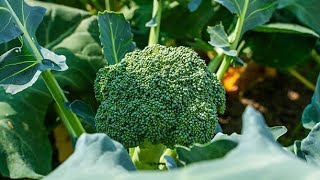
Broccoli is popular among urban consumers, hotels, restaurants and supermarkets, particularly in higher-value markets.
It can provide better returns than some traditional vegetables when farmers have access to the right market.
However, broccoli requires good management and is more suitable for farmers who have already identified customers willing to pay for quality produce.
12. Cauliflower
Cauliflower is another vegetable commonly found in supermarkets, hotels and urban markets.
It can be profitable where there is strong demand, but farmers need to pay attention to variety selection, soil fertility, pest management and harvesting time.
Producing high-quality heads is important because buyers may reject produce that does not meet their preferred size and appearance.
How to choose the right vegetable to grow
High demand does not automatically mean high profit. Before choosing a vegetable, consider several factors.
Market Availability
Find out who will buy your vegetables. Potential customers can include households, traders, hotels, restaurants, schools, supermarkets and processors.
Production Costs
Calculate the cost of seed, fertilizer, pesticides, irrigation, labour, transport and other inputs. A vegetable with a high selling price may still produce little profit if production costs are too high.
Water Availability
Many vegetables require reliable moisture for good growth. Farmers without reliable rainfall should consider whether irrigation is available before investing heavily.
Season
Vegetable prices can change significantly depending on supply. Planting during a period when many farmers are harvesting the same crop can result in low prices.
Perishability
Leafy vegetables such as sukuma wiki, spinach and coriander can lose quality quickly. Farmers growing highly perishable crops should have a reliable and fast route to market.
Buyer Preferences
Different buyers may have different requirements regarding size, colour, freshness and packaging. Knowing these requirements before planting can help reduce rejection and waste.
Don’t grow what is popular—Grow what you can sell
One of the biggest mistakes in vegetable farming is assuming that high consumption automatically guarantees profit.
Before planting an acre of vegetables, visit your local market and talk to traders, hotels, restaurants and other potential buyers. Find out which vegetables they need, how much they purchase and what quality they prefer.
It is also wise to avoid putting all your money into one crop. Growing several vegetables with different harvesting periods can help spread both production and market risks.
Vegetables such as sukuma wiki, spinach, tomatoes, onions, cabbage, carrots, capsicum, coriander, African nightshade and amaranth have established markets in Kenya. Others, including broccoli and cauliflower, can provide opportunities in higher-value urban markets.
However, the most profitable vegetable for a farmer depends on location, production costs, water availability, season and access to buyers.
The best vegetable to grow is not necessarily the one with the highest price. It is the one you can produce efficiently and sell consistently at a profitable price.

Author: Moureen Koech
Moureen Koech is a passionate Digital Journalist, an adept Agribusiness Writer with a keen eye for news and an impactful story-teller,whose stories provide key value to Agripreneurs and stakeholders in the Agricultural sector