In many agricultural discussions, the “Big Five in farming”refers to the major crops that dominate global agricultural production and play a critical role in food security, trade and economic development. These crops are widely grown across the world because they provide staple food, livestock feed and raw materials for many industries.
The five crops commonly referred to as the Big Five are maize (corn), rice, wheat, soybeans and potatoes. These crops are essential to feeding billions of people and supporting the global agricultural economy.
Maize (Corn)
Maize is one of the most widely grown crops in the world. It is a staple food in many countries and is also used extensively as animal feed and in industrial products.
Maize grows well in a wide range of climates, making it suitable for many regions. In countries such as Kenya, maize is the primary staple food and is used to make popular dishes like ugali.
Besides human consumption, maize is used in the production of animal feed, cooking oil, starch, and biofuels. Because of its versatility and high yield potential, maize remains one of the most important crops in global agriculture.
Rice
Rice is another major crop that feeds more than half of the world’s population. It is particularly important in Asian countries, where it serves as the main staple food.
Rice is commonly grown in flooded fields known as paddies, although some varieties can grow in upland conditions. The crop requires warm temperatures and sufficient water supply, making it ideal for tropical and subtropical regions.
Rice farming plays a critical role in ensuring global food security because it provides a major source of calories for billions of people.
Wheat
Wheat is one of the oldest cultivated crops in the world and remains a key component of global agriculture. Wheat is used to produce flour for bread, pasta, pastries and many other food products.
It is widely grown in temperate regions and is a major staple food in Europe, North America and parts of Asia and Africa.
Wheat is also an important crop for international trade, making it one of the most economically significant agricultural commodities.
Soybeans
Soybean are an essential crop in modern agriculture. Soybeans are mainly grown for their high protein and oil content.
They are widely used in the production of cooking oil, animal feed, tofu, soy milk, and various processed foods. Soybeans are also an important component of livestock feed because they provide a rich source of protein.
The crop has become increasingly important in global agriculture due to the rising demand for plant-based protein and animal feed.
Potatoes
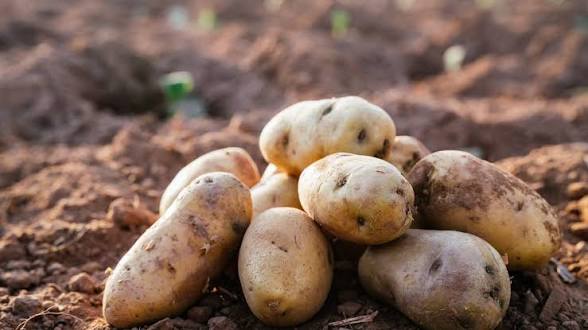
Potato are among the most important root crops in the world. They are highly nutritious, providing carbohydrates, vitamins and minerals.
Potatoes can grow in a variety of climates and have a relatively short growing cycle compared to many other crops. This makes them an important crop for improving food security, especially in regions with limited agricultural land.
The crop is widely consumed in many forms, including boiled potatoes, fries, chips and processed food products.
Why these crops dominate global farming
The Big Five crops dominate global agriculture because they are highly productive, widely adaptable, and provide essential nutrients for human and animal diets. They are also important for international trade and agricultural industries.
These crops support food systems around the world by providing staple foods, livestock feed and raw materials for food processing industries.
Advancements in agricultural technology, improved seed varieties and better farming practices have further increased the productivity of these crops, making them central to global food production.
The Big Five crops in farming maize, rice, wheat, soybeans and potatoes are the foundation of global food systems. These crops feed billions of people, support livestock production and drive agricultural economies worldwide.
As the global population continues to grow, improving the productivity and sustainability of these major crops will remain a key priority for farmers, researchers and policymakers working to ensure long-term food security.

Author: Moureen Koech
Moureen Koech is a passionate Digital Journalist, an adept Agribusiness Writer with a keen eye for news and an impactful story-teller,whose stories provide key value to Agripreneurs and stakeholders in the Agricultural sector