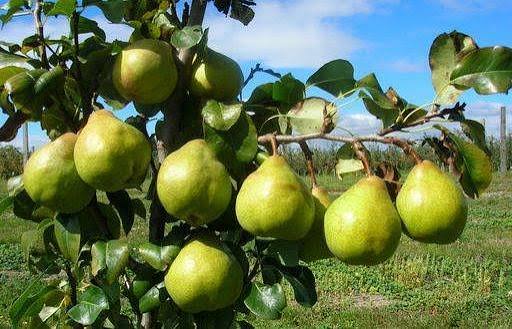
Growing a pear tree can be rewarding, but it can also be frustrating when the tree looks healthy, produces plenty of leaves and branches, yet fails to produce pears. For Kenyan farmers, understanding why a pear tree is not fruiting is important before spending more money on fertilizers or other interventions.
Pear production depends on several factors, including the age and variety of the tree, pollination, sunlight, nutrition, water management, pruning and the suitability of the growing environment. In some cases, the problem is temporary and can be corrected through better orchard management. In others, the variety may simply not be well adapted to the location.
The pear tree may be too young
One of the most common reasons a pear tree does not produce fruit is its age. Young trees often focus their energy on establishing strong roots, trunks and branches before they begin producing significant crops.
The time taken to start fruiting depends on factors such as the variety, rootstock, planting material and growing conditions. Seed-grown trees may also take considerably longer to become productive than properly grafted trees.
Farmers should therefore avoid trying to force young trees into heavy fruit production. Instead, focus on establishing a healthy root system, developing a strong canopy, controlling weeds and providing appropriate nutrition and moisture.
Poor pollination can prevent fruit set
If your pear tree produces flowers but very few pears develop, pollination should be one of the first things to investigate.
Many pear varieties benefit from cross-pollination with another compatible variety that flowers at around the same time. A single tree may therefore produce flowers without achieving reliable fruit set, depending on the variety.
Planting compatible pear varieties within an appropriate distance can improve pollination. Farmers should also encourage bees and other beneficial pollinating insects around the orchard.
Avoid unnecessary pesticide spraying when pear trees are flowering because some pesticides can harm pollinators and interfere with successful pollination.
Insufficient Sunlight
Pear trees require adequate sunlight for healthy growth and good fruit production. A tree growing beside a building, beneath taller trees or in an area with heavy shade may produce vigorous leaves while producing few flowers and fruits.
When establishing a pear orchard, choose an open location with good exposure to sunlight. Avoid overcrowding because closely planted trees can eventually shade one another.
Good sunlight penetration throughout the canopy helps support photosynthesis and the development of productive fruiting wood.
Improper pruning
Pruning plays an important role in pear tree productivity, but excessive pruning can have the opposite effect.
Removing large amounts of healthy wood can stimulate vigorous vegetative growth. The tree may respond by producing many new shoots and leaves rather than developing reproductive growth.
Pruning should have a clear objective. Remove dead, diseased, broken and crossing branches, together with poorly positioned or excessively vigorous shoots where necessary.
The goal should be a balanced canopy that receives sufficient light and allows good air circulation. Farmers should avoid repeatedly cutting back the tree simply because it has become large.
Water Stress
Water availability can significantly affect flowering, fruit development and overall tree health. A pear tree exposed to prolonged drought may struggle to maintain normal growth and fruit production.
However, excessive watering can also cause problems. Waterlogged soils reduce oxygen around the roots and can contribute to root damage and other problems.
Farmers should aim for consistent soil moisture rather than alternating between severe dryness and excessive irrigation. Mulching around the root zone can help conserve moisture, but mulch should not be piled directly against the trunk.
Where irrigation is available, water should be applied efficiently to the root zone while ensuring that the soil has adequate drainage.
Excessive nitrogen fertilizer
A pear tree covered with lush green leaves but producing few flowers may be receiving too much nitrogen.
Nitrogen encourages vegetative growth, and excessive application can result in vigorous shoots at the expense of reproductive development. This is why adding more fertilizer is not always the answer to a non-fruiting tree.
Farmers should consider soil testing before applying large quantities of fertilizer. Nutrients should be supplied according to the actual needs of the crop, soil condition and stage of growth.
Organic matter can also improve soil structure and fertility when properly incorporated into an overall soil-management programme.
The variety may not suit your location
Pear varieties differ in their environmental requirements. Temperature, elevation and winter chilling requirements can influence flowering and fruit production.
This is particularly important for farmers growing pears in different parts of Kenya. A variety that performs well in one highland location may not necessarily perform equally well in another area.
Before establishing a commercial pear orchard, farmers should research varieties that are suitable for their local climate and elevation. It is also important to purchase planting material from reliable sources and know the variety being planted.
Poor canopy management
An overcrowded canopy can reduce the amount of light reaching productive parts of the tree. Dense growth can also restrict air movement and create conditions that favour certain pest and disease problems.
Farmers should begin training pear trees while they are young. The objective is to develop a strong framework with well-positioned branches and enough space for sunlight to penetrate the canopy.
A productive pear tree is not necessarily the biggest tree. Good orchard management aims for a balanced tree with healthy fruiting wood, adequate light and manageable growth.
Pests and diseases
Pest and disease pressure can weaken a pear tree and interfere with flowering, fruit set or fruit retention.
Farmers should regularly inspect their trees for discoloured leaves, dead shoots, damaged branches, unusual leaf growth, insect activity and premature fruit drop.
Early detection is important because management is generally easier before a problem becomes severe. Orchard sanitation, proper pruning, good spacing and appropriate pest-management practices can help maintain tree health.
The tree flowers but the fruit falls
Another common situation is when a pear tree flowers normally but small fruits develop and then fall.
This can be caused by poor pollination, unfavourable weather during flowering, water stress, nutritional problems, pests, diseases or excessive competition within the canopy.
Farmers should therefore identify exactly when the problem occurs. Knowing whether the tree fails to flower, flowers without setting fruit, or sets fruit that later drops can greatly narrow down the possible causes.
How to diagnose a non-fruiting pear tree
If your pear tree produces no flowers, investigate its age, variety, sunlight, pruning practices, nutrition and general health.
If it flowers but produces no fruit, focus on pollination, compatible varieties, pollinator activity and weather conditions during flowering.
If it sets fruit but the young pears fall, investigate water stress, pests, diseases, nutritional problems and environmental stress.
This simple approach can help farmers avoid treating the wrong problem.
Start With the right pear planting material
Successful pear farming begins before the tree is planted. Farmers should select planting material based on the intended production system, variety, local growing conditions and management capacity.
Grafted pear seedlings are generally preferred for commercial fruit production because they combine a selected fruiting variety with a rootstock and can provide more predictable characteristics than trees grown from seed. Seed-grown trees may vary considerably and can take longer to reach productive maturity.
Farmers should also verify the identity and quality of planting material before establishing an orchard.
A pear tree that is not producing fruit does not necessarily mean that the tree is unhealthy or that it has failed permanently. The cause may be as simple as young age, inadequate sunlight or poor pollination, while more complex problems may involve variety suitability, water management, nutrition or canopy management.
For Kenyan farmers, the most important step is to diagnose the problem before taking action. Avoid blindly applying fertilizer or undertaking heavy pruning. Instead, examine the tree’s age, variety, flowering pattern, growing conditions and overall health.
With the right variety, suitable growing conditions and consistent orchard management, farmers can give their pear trees a much better opportunity to flower, set fruit and produce profitable harvests.

Author: Moureen Koech
Moureen Koech is a passionate Digital Journalist, an adept Agribusiness Writer with a keen eye for news and an impactful story-teller,whose stories provide key value to Agripreneurs and stakeholders in the Agricultural sector