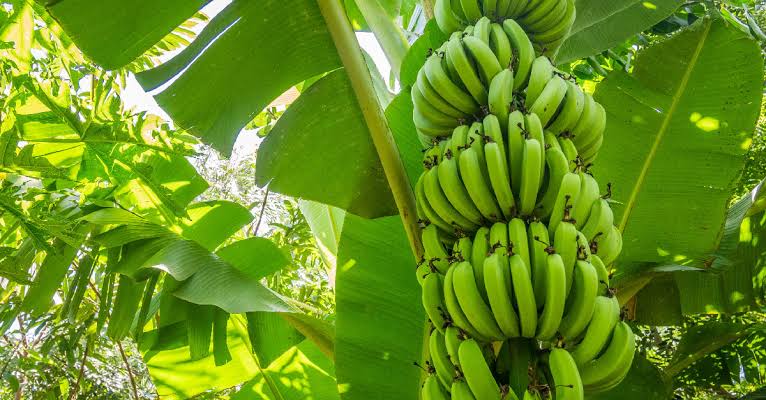
Bananas are among the most profitable fruit crops grown in Kenya, providing farmers with a reliable source of food and income throughout the year. However, many growers become frustrated when their banana bunches develop small, thin fingers instead of the large, well-filled fruits preferred by consumers and traders. Small banana fingers reduce market value, lower yields and ultimately decrease farm profits.
Several factors can contribute to poor fruit development, including inadequate nutrition, water stress, overcrowding, pests, diseases, and poor crop management. The good news is that most of these problems are preventable. By identifying the underlying cause and applying the right management practices, farmers can significantly improve fruit size and overall productivity.
This guide explores the common reasons why bananas produce small fingers and the practical steps farmers can take to grow larger, healthier bunches.
Poor soil fertility
One of the leading causes of small banana fingers is inadequate soil fertility. Bananas are heavy feeders that require large amounts of nutrients throughout their growth cycle. If the soil lacks essential nutrients, the plants cannot support proper fruit development.
Potassium is especially important because it promotes fruit filling, improves fruit size, and enhances overall bunch quality. Nitrogen supports healthy leaf growth, while phosphorus encourages strong root development and flowering.
Farmers should conduct regular soil tests to determine nutrient deficiencies and apply fertilizers accordingly. Incorporating well-decomposed farmyard manure or compost also improves soil fertility, moisture retention and microbial activity.
Potassium deficiency
Among all nutrients, potassium has the greatest influence on banana fruit size. A deficiency often results in narrow, poorly filled fingers, weak stems and reduced bunch weight.
To correct potassium deficiency, farmers should apply potassium-rich fertilizers based on soil test recommendations. Organic sources such as wood ash, when used appropriately, can also supplement potassium in some farming systems.
Maintaining balanced fertilization is essential because excessive application of one nutrient may reduce the uptake of others.
Inadequate water supply
Bananas require consistent soil moisture to produce large, healthy fruits. Water stress during flowering and fruit development reduces the movement of nutrients to the bunch, resulting in small fingers and poor yields.
Although bananas thrive in tropical climates, prolonged dry spells without irrigation can significantly reduce production.
Farmers should irrigate during dry periods and apply organic mulch around the base of plants to conserve soil moisture, regulate soil temperature, and suppress weeds. Avoid waterlogging, however, as excessively wet soils encourage root diseases.
Overcrowding in the plantation
Allowing too many banana suckers to grow around one stool creates intense competition for nutrients, sunlight, and water. As a result, the mother plant cannot supply enough resources to produce large fruits.
Good sucker management is essential. Most farmers maintain one mature plant, one follower, and one young sucker per stool. Removing excess suckers ensures that available nutrients are directed toward fruit production rather than unnecessary vegetative growth.
Proper spacing between plants also improves sunlight penetration and air circulation.
Poor desuckering practices
Failure to remove unwanted suckers weakens the entire plantation. Multiple competing shoots reduce the strength of the main fruiting plant, leading to smaller bunches and thinner fingers.
Regular desuckering should be carried out throughout the growing season using clean tools to prevent disease spread.
Healthy plantations with well-managed stools generally produce larger bunches and higher-quality fruits.
Pest infestation
Several pests can reduce banana fruit size by damaging roots, stems or leaves.
Banana weevils tunnel into the corm, weakening the plant and reducing nutrient uptake. Plant-parasitic nematodes attack the root system, limiting the plant’s ability to absorb water and nutrients.
Farmers should inspect plantations regularly for signs of pest damage. Field sanitation, removal of infected plant residues, crop rotation where possible, and recommended pest control measures help minimize infestations.
Using clean, certified planting materials also reduces the introduction of pests into new fields.
Diseases affecting banana growth
Diseases such as Fusarium wilt (Panama disease), Black Sigatoka, bacterial wilt and Banana Bunchy Top Virus can significantly reduce plant vigor and fruit development.
Diseased plants often produce weak bunches with undersized fingers or fail to produce marketable fruit altogether.
Preventive measures include planting disease-free seedlings, removing infected plants promptly, disinfecting farm tools, practicing field sanitation and selecting resistant varieties where available.
Early disease detection greatly improves management success.
Poor leaf management
Healthy green leaves are responsible for producing the food needed for fruit development through photosynthesis.
If leaves are damaged by pests, diseases, drought, hail or poor nutrition, the plant produces less energy, resulting in smaller fruits.
Avoid removing healthy leaves unnecessarily. Only remove old, dry, diseased or severely damaged leaves while preserving enough functional leaves to support bunch development.
Delayed bunch management
Proper bunch management contributes significantly to fruit size.
Removing the male bud after the last hand has formed can reduce unnecessary energy loss and lower pest pressure in some production systems. Supporting heavy bunches with props also prevents plants from falling over and allows fruits to develop properly.
In commercial plantations, bunch covering with protective sleeves may improve fruit quality by protecting developing bananas from insect damage, sunburn, and physical injury.
Poor planting material
The quality of the planting material directly affects future productivity.
Farmers should establish plantations using healthy tissue culture seedlings or certified disease-free suckers obtained from reputable suppliers. Poor-quality planting material often produces weak plants with reduced yield potential.
Tissue culture bananas are particularly popular because they are disease-free, uniform, vigorous and capable of producing higher yields under proper management.
Lack of regular fertilization
Bananas continuously remove nutrients from the soil because they produce large amounts of biomass and fruit.
Applying fertilizer only once during planting is insufficient. Farmers should implement a regular fertilization program throughout the year based on soil analysis and crop growth stages.
Combining organic manure with balanced inorganic fertilizers provides sustained nutrient availability and improves long-term soil health.
Harvesting and plantation maintenance
Good plantation management extends beyond fertilization and irrigation.
Regular weeding reduces competition for nutrients and water. Mulching conserves soil moisture while improving soil organic matter. Pruning dead leaves, removing diseased plants, maintaining drainage and monitoring pests contribute to healthier plants capable of producing larger fruits.
Consistent maintenance throughout the production cycle is essential for maximizing yields.
Best practices for producing larger banana fingers
To consistently harvest large, marketable banana fruits, farmers should maintain fertile soils through regular manure application and balanced fertilization, especially adequate potassium. Irrigate during dry seasons, mulch around plants, remove excess suckers, control weeds and monitor pests and diseases regularly.
Use certified planting materials, maintain proper spacing, preserve healthy leaves, and practice good field sanitation. Routine observation allows farmers to identify problems early before they reduce yields.
Small banana fingers are usually a sign that the crop is experiencing nutritional deficiencies, water stress, pest or disease pressure, overcrowding or poor management practices. Fortunately, these challenges can be corrected through proper agronomic management.
By maintaining healthy soils, supplying adequate nutrients, managing water effectively, controlling pests and diseases, using quality planting materials and practicing good plantation management, farmers can produce larger banana fingers, heavier bunches, and higher-quality fruits. These improvements not only increase yields but also enhance market value and improve the profitability of banana farming.

Author: Moureen Koech
Moureen Koech is a passionate Digital Journalist, an adept Agribusiness Writer with a keen eye for news and an impactful story-teller,whose stories provide key value to Agripreneurs and stakeholders in the Agricultural sector