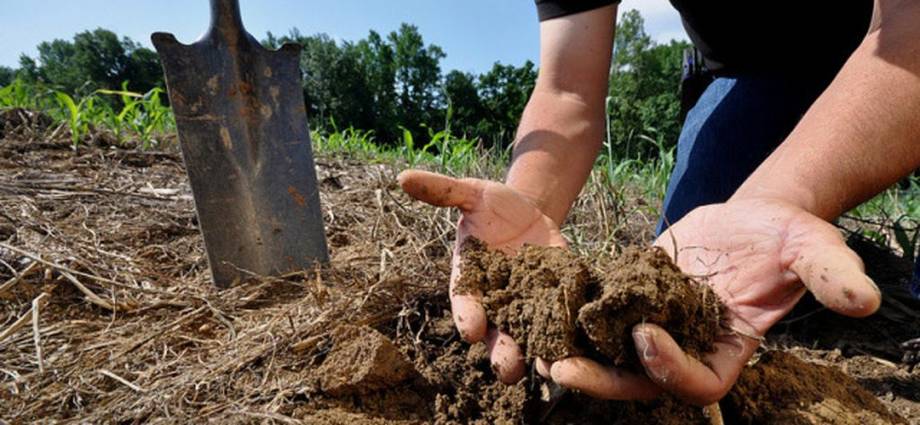
Soil is the foundation of agriculture. Every successful farm begins with healthy and fertile soil that can support strong crop growth and high yields. When soil fertility is properly managed, crops receive the nutrients they need to grow, resist diseases and produce quality harvests. However, when soil fertility declines, crop productivity decreases and farmers may experience poor yields and reduced profits.
Soil fertility management refers to the practices farmers use to maintain or improve the nutrient content and biological health of the soil. It involves understanding the soil’s condition and applying the right methods to ensure that crops receive essential nutrients throughout their growth cycle.
For farmers and agribusiness owners, effective soil fertility management is essential for long-term agricultural sustainability and profitability.
Understanding soil fertility
Soil fertility refers to the soil’s ability to supply essential nutrients to plants in adequate amounts and proper balance. Crops require several nutrients to grow, including nitrogen, phosphorus, potassium, calcium, magnesium and sulfur. These nutrients support different plant functions such as root development, leaf growth, flowering, and fruit production.
In addition to nutrients, fertile soil must have good structure, proper moisture levels, and active microorganisms. Soil microorganisms help break down organic matter and release nutrients that plants can absorb.
When soil fertility is well balanced, crops grow vigorously and produce better yields. On the other hand, nutrient deficiencies can lead to stunted growth, yellowing leaves, and poor crop performance.
Importance of soil testing
One of the most important steps in soil fertility management is soil testing. Soil testing helps farmers determine the nutrient levels, pH level, and overall condition of the soil.
By analyzing soil samples, farmers can identify which nutrients are lacking and apply the appropriate fertilizers or soil amendments. This prevents the unnecessary use of fertilizers and ensures that crops receive the correct nutrients they require.
Soil testing also helps farmers understand whether the soil is too acidic or too alkaline. Soil pH affects how easily plants can absorb nutrients from the soil. Most crops grow best in slightly acidic to neutral soils.
Regular soil testing allows farmers to make informed decisions that improve soil health and crop productivity.
Use of organic matter in soil fertility
Organic matter plays a vital role in maintaining soil fertility. Materials such as compost, animal manure, crop residues, and green manure improve soil structure and provide essential nutrients for plant growth.
When organic matter decomposes, it releases nutrients slowly into the soil. This helps maintain a steady supply of nutrients for crops over time. Organic matter also improves soil moisture retention, which is especially important in areas that experience irregular rainfall.
In addition, organic materials encourage the growth of beneficial soil organisms such as bacteria, fungi and earthworms. These organisms contribute to nutrient cycling and help maintain a healthy soil ecosystem.
Adding organic matter regularly is one of the most sustainable methods of improving soil fertility.
Application of fertilizers
Fertilizers are commonly used to supply nutrients that may be lacking in the soil. There are two main types of fertilizers used in farming: organic fertilizers and inorganic fertilizers.
Organic fertilizers come from natural sources such as compost, manure, and plant residues. They improve soil fertility while also enhancing soil structure and biological activity.
Inorganic fertilizers, also known as chemical fertilizers, provide nutrients in concentrated forms that plants can absorb quickly. They are often used to correct specific nutrient deficiencies and boost crop growth.
However, fertilizers should be applied carefully and according to recommended guidelines. Excessive use of chemical fertilizers can damage soil structure, reduce microbial activity, and lead to environmental pollution.
Balanced fertilizer use ensures that crops receive the nutrients they need without harming the soil.
Crop rotation and soil fertility
Crop rotation is an effective method of maintaining soil fertility. This practice involves growing different crops on the same piece of land in successive seasons.
Different crops have varying nutrient requirements and root structures. Rotating crops helps prevent the depletion of specific nutrients from the soil.
For example, legumes such as beans and peas have the ability to fix nitrogen from the atmosphere into the soil. When legumes are included in crop rotation systems, they help improve nitrogen levels in the soil, benefiting the crops that follow.
Crop rotation also helps reduce the buildup of pests and diseases that commonly affect certain crops.
Soil conservation practices
Protecting the soil from erosion and degradation is another key aspect of soil fertility management. Soil erosion caused by wind or water can remove the topsoil layer, which contains most of the nutrients and organic matter required for plant growth.
Farmers can reduce soil erosion by using practices such as mulching, cover cropping, contour farming and terracing. These methods help protect the soil surface and improve water retention.
Maintaining ground cover with plants or organic materials also prevents soil from being washed away during heavy rainfall.
By protecting the soil structure, farmers preserve the nutrients and microorganisms that support healthy crop growth.
The role of soil microorganisms
Healthy soil contains millions of microorganisms that play a crucial role in soil fertility. These organisms break down organic matter and convert nutrients into forms that plants can absorb.
Some microorganisms form beneficial relationships with plant roots, helping them absorb nutrients more efficiently. Others help control harmful pathogens that may damage crops.
Encouraging biological activity in the soil through the addition of organic matter and reduced chemical use helps maintain a balanced and productive soil environment.
Soil fertility management is essential for sustainable and productive farming. By understanding soil conditions, conducting regular soil testing and applying appropriate management practices, farmers can maintain healthy soils that support strong crop growth.
Practices such as adding organic matter, using fertilizers responsibly, rotating crops, and protecting the soil from erosion all contribute to improved soil fertility. Healthy soils not only increase crop yields but also ensure that farms remain productive for many years.
For farmers and agribusiness entrepreneurs, investing in soil fertility management is one of the most important steps toward achieving long-term agricultural success.

Author: Moureen Koech
Moureen Koech is a passionate Digital Journalist, an adept Agribusiness Writer with a keen eye for news and an impactful story-teller,whose stories provide key value to Agripreneurs and stakeholders in the Agricultural sector