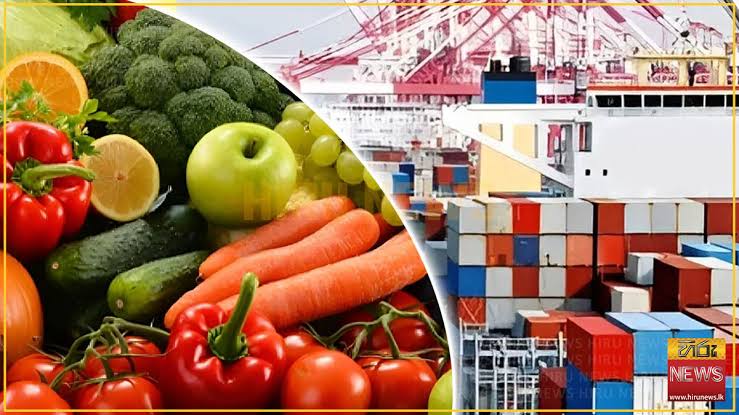
Agricultural export businesses are becoming increasingly profitable as global demand for fresh and processed farm products continues to grow. Many countries import agricultural commodities such as fruits, vegetables, grains and spices to meet their food supply needs. For entrepreneurs and farmers, exporting agricultural products can open opportunities to earn higher profits and access international markets.
In countries like Kenya, agricultural exports play a significant role in the economy. Products such as avocados, tea, coffee, and fresh vegetables are exported to markets in Europe, the Middle East and Asia. Starting an agricultural export business requires proper planning, knowledge of regulations, and strong market connections.
Understand the agricultural export market
The first step in starting an agricultural export business is conducting market research. Entrepreneurs need to identify which agricultural products are in high demand in international markets. Some products that are commonly exported include fruits, vegetables, nuts, herbs and spices.
It is also important to understand the requirements of the target market. Different countries have specific regulations regarding food safety, quality standards and packaging. Understanding these requirements helps exporters avoid rejection of their products at international borders.
Choose the right agricultural products
Selecting the right products to export is crucial for success. Exporters should choose crops that have strong demand, good shelf life, and the ability to maintain quality during transportation.
For example, Kenya exports crops such as Avocado, Mango, French beans, and Macadamia.
These products are popular in international markets because they are nutritious and can be transported relatively easily under proper storage conditions.
Register your export business
Before starting an export business, entrepreneurs must register their companies with the relevant government authorities. In Kenya, exporters are required to register their businesses with Kenya Revenue Authority to obtain a Personal Identification Number (PIN) for tax purposes.
Agricultural exporters must also obtain an export license from the Agriculture and Food Authority depending on the product they plan to export.
Other certifications may be required to ensure that the products meet international quality standards.
Meet export quality standards
Agricultural products intended for export must meet strict quality and safety standards. Exporters must ensure that their products are free from pests, diseases and harmful chemicals.
In Kenya, agricultural exports are inspected and certified by Kenya Plant Health Inspectorate Service. The agency issues phytosanitary certificates that confirm that the products meet international plant health requirements.
Proper grading, sorting, and packaging are also necessary to meet the expectations of international buyers.
Develop reliable supply chains
A successful agricultural export business depends on a consistent supply of high-quality products. Exporters often work closely with farmers, cooperatives, or farming groups to ensure reliable production.
Contract farming is a common approach where exporters partner with farmers and provide them with inputs, training and technical support. This arrangement helps ensure that farmers produce crops that meet export standards.
Maintaining strong relationships with suppliers helps exporters maintain steady production and meet buyer demands.
Organize packaging and logistics
Packaging and transportation are critical components of agricultural exports. Fresh produce must be packed in suitable containers to protect it during transportation.
Cold chain systems are often used to maintain the freshness of perishable products such as fruits and vegetables. Exporters must also coordinate transportation from farms to airports or seaports.
For international shipping, exporters may use air freight for fresh produce or sea freight for bulk agricultural commodities.
Find international buyers
Finding reliable buyers is one of the most important aspects of starting an agricultural export business. Exporters can connect with buyers through international trade fairs, online platforms and export promotion agencies.
Government export promotion organizations often help businesses connect with international markets. For example, the Export Promotion Council of Kenya supports exporters by providing market information and training programs.
Building long-term relationships with buyers helps exporters secure consistent orders and stable income.
Manage export documentation
Export businesses require proper documentation to ensure smooth international transactions. Some common export documents include invoices, packing lists, certificates of origin and phytosanitary certificates.
These documents help customs authorities verify the contents and value of shipments. Proper documentation is essential for avoiding delays and ensuring that goods reach their destination without complications.
Starting an agricultural export business can be a highly profitable venture for entrepreneurs and farmers.
With proper planning and compliance with export regulations, agricultural exporters can expand their businesses while contributing to economic growth and global food supply. As international demand for fresh and processed agricultural products continues to grow, agricultural exports offer a promising opportunity for agribusiness development.

Author: Moureen Koech
Moureen Koech is a passionate Digital Journalist, an adept Agribusiness Writer with a keen eye for news and an impactful story-teller,whose stories provide key value to Agripreneurs and stakeholders in the Agricultural sector