Poultry farming is one of the most profitable agribusiness ventures in Kenya and many parts of Africa. However, poultry diseases remain a major challenge that causes huge losses for farmers every year. Diseases such as Newcastle disease, Gumboro, fowl typhoid and Marek’s disease can wipe out an entire flock within a short period if proper vaccination is not done. A well-planned poultry vaccination schedule is therefore essential for maintaining healthy birds, improving productivity, and maximizing profits.
Vaccination helps poultry farmers protect their birds from deadly infections by strengthening their immunity. Whether you are keeping broilers, layers, or indigenous chickens, following the correct vaccination schedule reduces mortality rates and improves the overall performance of the flock.
Why poultry vaccination is important
Vaccination is a preventive measure that protects poultry from common diseases. Once birds are infected, treatment can be expensive and sometimes ineffective. Vaccination is cheaper and more reliable compared to treating disease outbreaks.
Healthy birds grow faster, produce more eggs and require fewer medications. Vaccinated birds also have better feed conversion and improved resistance against infections. For commercial poultry farmers, vaccination helps avoid losses caused by disease outbreaks that can destroy an entire business.
In addition, proper vaccination helps reduce the spread of diseases between farms. This is especially important in areas with many poultry farmers where infections spread quickly through contaminated equipment, visitors, or birds.
Common poultry diseases controlled by vaccination
Several poultry diseases can be controlled through proper vaccination. Newcastle disease is one of the most dangerous poultry diseases and affects both indigenous and commercial birds. It spreads rapidly and causes high mortality.
Gumboro disease mainly attacks young chicks and weakens their immune system. Marek’s disease affects the nerves and causes paralysis in chickens. Fowl typhoid causes diarrhea, weakness, and sudden deaths in poultry flocks.
Fowl pox is another common disease that causes lesions on the skin and mouth of birds. Infectious bronchitis affects the respiratory system and reduces egg production in layers. Vaccination protects birds from these diseases and keeps the farm productive.
Poultry vaccination schedule for chicks
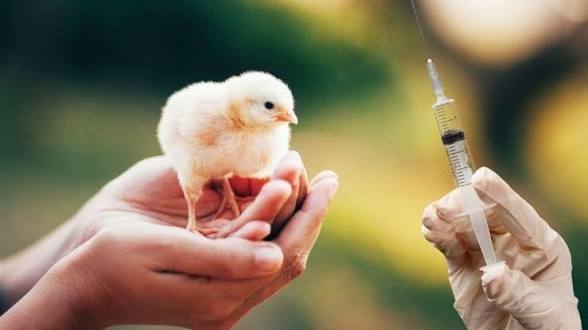
The vaccination schedule usually starts immediately after chicks hatch. Day-old chicks are often vaccinated against Marek’s disease at the hatchery. This vaccine is important because Marek’s disease has no cure and spreads easily among young birds.
At around seven days old, chicks are vaccinated against Newcastle disease using eye drops or drinking water. This vaccine helps build early immunity against one of the deadliest poultry diseases.
At two weeks old, chicks are vaccinated against Gumboro disease. A booster dose may be given after one week depending on the disease risk in the area. Gumboro vaccination is very important because the disease weakens the bird’s immune system and exposes it to secondary infections.
At three to four weeks old, another Newcastle disease vaccine is administered to strengthen immunity. Some farmers also vaccinate against infectious bronchitis during this stage, especially in commercial layer operations.
Vaccination schedule for layers
Layer chickens require a more comprehensive vaccination program because they stay longer on the farm compared to broilers. At around six to eight weeks, birds may receive fowl pox vaccination through the wing stab method.
At ten to twelve weeks, layers are vaccinated against fowl typhoid. This disease can greatly reduce egg production and cause high mortality if not controlled.
Before the birds start laying eggs, usually at sixteen to eighteen weeks, a booster Newcastle vaccine is administered. Some farmers also vaccinate against egg drop syndrome and infectious bronchitis to maintain high egg production.
During the laying period, Newcastle boosters may continue every few months depending on veterinary advice and disease prevalence in the region.
Vaccination schedule for broilers
Broilers have a shorter lifespan compared to layers, usually six to eight weeks, so their vaccination schedule is simpler. Most broiler farmers focus mainly on Newcastle disease and Gumboro vaccinations.
Day-old chicks are vaccinated against Marek’s disease at the hatchery. Newcastle vaccination is given during the first week, followed by Gumboro vaccination during the second week. A booster Newcastle vaccine may be given around the third or fourth week.
Since broilers are raised for meat production within a short time, maintaining proper hygiene and biosecurity is equally important alongside vaccination.
Proper methods of administering vaccines
Vaccines can be administered through drinking water, eye drops, injections or wing stab methods depending on the type of vaccine. Farmers should always follow the manufacturer’s instructions carefully.
When using drinking water vaccination, clean water without chlorine should be used because chemicals may destroy the vaccine. Birds should also be thirsty before vaccination to ensure all birds consume the medicated water.
Vaccines must be stored properly in a refrigerator at the recommended temperature. Exposure to heat or sunlight can reduce vaccine effectiveness. Farmers should also avoid using expired vaccines.
Common mistakes farmers make during vaccination
Many poultry farmers fail to follow the correct vaccination schedule, exposing birds to disease outbreaks. Missing booster vaccinations can weaken immunity and make vaccines ineffective.
Poor storage of vaccines is another major mistake. Vaccines lose potency when exposed to heat or direct sunlight. Using dirty equipment during vaccination can also introduce infections into the flock.
Some farmers vaccinate sick or stressed birds, which reduces vaccine effectiveness. Birds should be healthy and properly fed before vaccination. Farmers should also avoid mixing vaccines unless advised by a veterinarian.
A proper poultry vaccination schedule is essential for successful poultry farming. Vaccination protects birds against deadly diseases, improves productivity, and increases profits for farmers. Whether raising broilers, layers or indigenous chickens, every farmer should develop a reliable vaccination program and follow it consistently.
Combining vaccination with good hygiene, proper feeding, and strong biosecurity measures helps maintain healthy poultry flocks throughout the year. Farmers are also encouraged to consult veterinary officers for guidance on the best vaccination schedule suitable for their area and production system.

Author: Moureen Koech
Moureen Koech is a passionate Digital Journalist, an adept Agribusiness Writer with a keen eye for news and an impactful story-teller,whose stories provide key value to Agripreneurs and stakeholders in the Agricultural sector