Low egg production is one of the biggest challenges facing poultry farmers today. Many farmers invest heavily in feeds, housing, and disease control expecting high egg yields, only to experience disappointing production levels. Poor egg production can greatly reduce profits and affect the sustainability of a poultry farming business. Understanding the causes of low egg production is important for every poultry farmer who wants to maintain a productive and profitable flock.
Egg production in chickens depends on several factors including nutrition, management, health, environment, and breed quality. When one or more of these factors are poorly managed, the birds may produce fewer eggs than expected. Identifying the root cause early helps farmers take corrective measures before losses become severe.
Poor Nutrition and inadequate feeding
Nutrition plays a major role in egg production. Layers require balanced feeds rich in proteins, vitamins, minerals, and energy to maintain consistent laying. When birds do not receive enough nutrients, their bodies prioritize survival instead of egg production.
Low-quality feeds often lack essential nutrients such as calcium, phosphorus, and amino acids needed for egg formation. Calcium deficiency is particularly dangerous because it leads to weak eggshells and reduced laying rates. Farmers who formulate homemade feeds without proper knowledge may unknowingly create nutritional deficiencies.
Insufficient feeding can also lower egg production. Birds that do not receive adequate feed quantities may lose weight and stop laying. Clean drinking water is equally important because dehydration reduces feed intake and affects egg formation.
Diseases and Parasite Infestation
Diseases are among the leading causes of low egg production in poultry farms. Infections such as Newcastle disease, infectious bronchitis, fowl typhoid, and avian influenza weaken birds and reduce their ability to lay eggs. Some diseases can even stop egg production completely.
Internal and external parasites also affect productivity. Worm infestations reduce nutrient absorption, leaving birds weak and undernourished. External parasites such as mites, fleas, and lice cause stress and discomfort, leading to lower egg production.
Poor vaccination programs increase the risk of disease outbreaks. Farmers who fail to vaccinate their birds according to the recommended schedule expose the flock to dangerous infections that can severely affect productivity.
Poor Lighting Management
Light is a critical factor in egg production because it stimulates the reproductive system of laying hens. Layers require adequate lighting hours to maintain consistent laying. Birds exposed to insufficient light often produce fewer eggs.
Commercial layers generally need about sixteen hours of light daily for optimal production. During cold or rainy seasons when daylight hours reduce, farmers may notice a drop in egg production if supplemental lighting is not provided.
Sudden changes in lighting schedules can also stress birds and interfere with laying patterns. Consistency is important when managing lighting programs in poultry houses.
Stress and Poor Environmental Conditions
Stress significantly affects egg production in poultry. Chickens are sensitive birds, and stressful conditions can quickly reduce laying rates. Common stress factors include overcrowding, excessive noise, sudden environmental changes, rough handling, and predator attacks.
High temperatures can also lower egg production. Heat stress causes birds to eat less feed, leading to poor nutrient intake and reduced laying. Extremely cold conditions may also affect productivity as birds use more energy to keep warm instead of producing eggs.
Poor ventilation inside poultry houses creates uncomfortable conditions that increase stress and disease risks. Proper airflow helps maintain healthy temperatures and reduces harmful gases such as ammonia.
Old Age in Layers
Age naturally affects egg production in chickens. Layers produce the highest number of eggs during the first year of laying. As birds grow older, egg production gradually declines.
Most commercial layers begin laying at around eighteen to twenty weeks and reach peak production between twenty-five and thirty-five weeks. After this period, productivity slowly reduces. Farmers keeping old birds for too long may experience lower profits due to declining egg output.
Replacing old layers with young productive birds helps maintain consistent farm performance and profitability.
Poor Breed Selection
The breed of chicken greatly influences egg production levels. Some breeds are naturally better egg producers than others. Farmers who keep poor-performing breeds may struggle with low productivity despite good management.
Commercial layer breeds such as Hy-Line, Isa Brown, and Lohmann Brown are specifically developed for high egg production. Indigenous chickens generally produce fewer eggs compared to commercial layers, although they may have better disease resistance.
Purchasing chicks from unreliable hatcheries can also lead to poor production because the birds may have weak genetics or health problems.
Molting in Chickens
Molting is a natural process where chickens shed old feathers and grow new ones. During this period, egg production often drops or stops completely because the bird’s energy is directed toward feather replacement instead of laying eggs.
Molting may occur naturally due to age, seasonal changes, or stress. While it is normal, poor management during molting can prolong low production periods. Proper feeding and reduced stress help birds recover faster and resume laying.
Poor Housing Conditions
Housing quality affects the comfort and productivity of poultry birds. Dirty, overcrowded, or poorly ventilated houses encourage disease spread and increase stress levels.
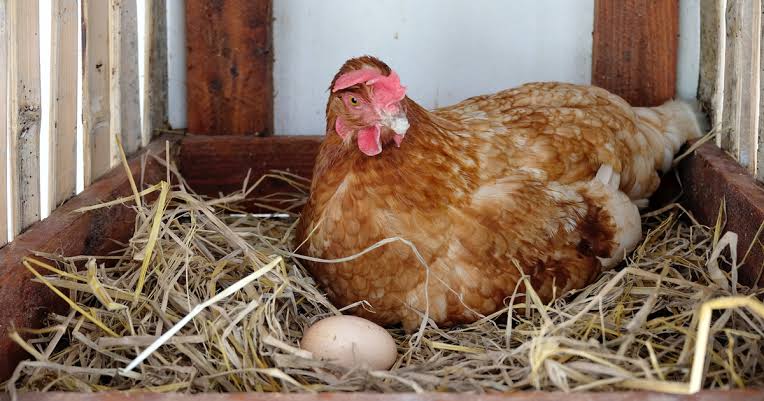
Wet litter can produce harmful ammonia gases that affect bird health and reduce egg production. Lack of nesting boxes may also cause stress and lead to egg laying problems.
Farmers should ensure poultry houses are clean, dry, spacious, and well-ventilated to support optimal production.
Low egg production can result from many different factors including poor nutrition, diseases, stress, poor lighting, old age, and poor management practices. Successful poultry farming requires close monitoring of bird health, feeding, housing and environmental conditions.
Farmers who provide balanced nutrition, maintain proper vaccination schedules, ensure good housing and manage stress effectively are more likely to achieve high egg production. Regular consultation with poultry experts and veterinarians can also help identify and solve productivity challenges early before they cause major losses.

Author: Moureen Koech
Moureen Koech is a passionate Digital Journalist, an adept Agribusiness Writer with a keen eye for news and an impactful story-teller,whose stories provide key value to Agripreneurs and stakeholders in the Agricultural sector