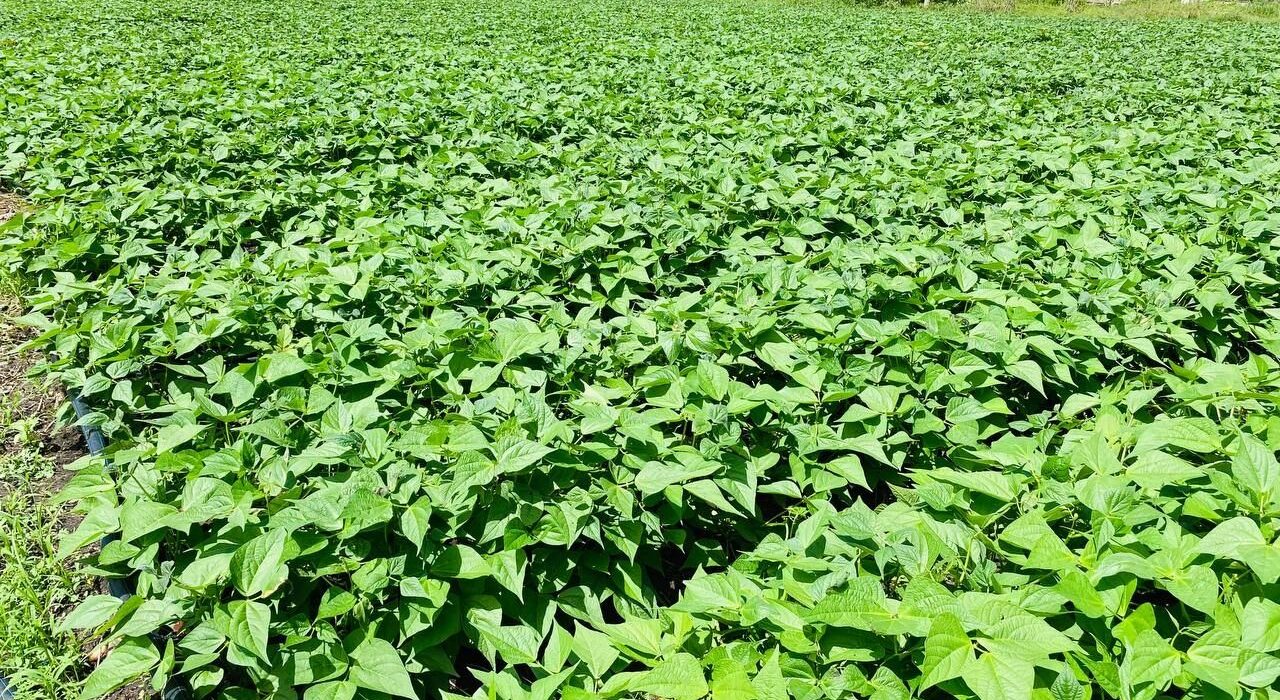
As climate change continues to affect agricultural productivity, Kenyan farmers are increasingly seeking crops that mature quickly, withstand drought and offer reliable returns. Cowpea, commonly known as kunde, has emerged as one of the most promising climate-smart crops for both small-scale and commercial farmers. It is highly valued for its nutritious leaves and protein-rich grains, allowing farmers to generate income from two different products within a single growing season.
Unlike many field crops that require heavy investment and long maturity periods, cowpeas are relatively inexpensive to grow and can be harvested within a few weeks for leaves and within two to three months for grain. This short production cycle, combined with strong market demand, makes cowpea farming an attractive agribusiness opportunity in Kenya.
With proper planning, quality inputs, and good agronomic practices, farmers can achieve high yields and potentially earn KES 150,000 or more in profit per acre, depending on production costs, yields and prevailing market prices.
Why cowpea farming is gaining popularity in Kenya
Cowpeas are among the most adaptable legume crops grown in Kenya. They thrive under hot and relatively dry conditions where many other crops struggle, making them ideal for areas frequently affected by drought.
One of the biggest advantages of cowpea farming is its dual-purpose nature. Farmers harvest tender leaves for the vegetable market while allowing the remaining plants to mature and produce grain. This creates two income streams from the same crop, improving farm profitability and reducing financial risk.
In addition, cowpeas naturally fix atmospheric nitrogen through beneficial bacteria in their roots. This enriches soil fertility, reducing fertilizer requirements for subsequent crops and making cowpeas an excellent crop for rotation with cereals such as maize and sorghum.
Growing consumer awareness of healthy diets has also increased demand for cowpea leaves and grains because they are rich in protein, iron, calcium, dietary fiber, vitamins and antioxidants.
Best areas for cowpea farming in Kenya
Cowpeas perform exceptionally well in Kenya’s warm and semi-arid regions. Major production areas include Makueni, Kitui, Machakos, Embu, Tharaka Nithi, Taita Taveta, parts of Kajiado, Kilifi, Kwale, Baringo, Turkana and several counties in Eastern and Coastal Kenya.
The crop is also increasingly being adopted in other regions where irrigation is available or rainfall patterns are favorable.
Because of their excellent drought tolerance, cowpeas remain one of the most reliable food and cash crops in areas experiencing erratic rainfall.
Ideal growing conditions
For maximum yields, cowpeas require warm temperatures ranging between 20°C and 35°C. They grow best in well-drained sandy loam or loam soils with a soil pH between 5.5 and 7.0.
Although cowpeas tolerate dry conditions better than many legumes, they still require adequate moisture during germination, flowering, and pod filling. Areas receiving moderate rainfall or farms with supplementary irrigation generally achieve higher yields.
Avoid poorly drained or waterlogged soils because excessive moisture encourages root diseases and poor plant development.
Land preparation and planting
Proper land preparation is essential for establishing a healthy cowpea crop. Farmers should clear weeds, remove crop residues and plough the land early to create a fine seedbed that promotes good seed germination and root development.
Planting should coincide with the onset of the rainy season to maximize available soil moisture. Where irrigation is available, farmers can grow cowpeas throughout the year.
Always use certified seeds obtained from reputable suppliers. Certified seeds offer higher germination rates, improved disease resistance and better yield potential than recycled seeds.
Recommended spacing is approximately 60 centimeters between rows and 15–20 centimeters between plants. This spacing allows adequate sunlight penetration, proper air circulation and easier field management.
Soil fertility management
Although cowpeas fix atmospheric nitrogen, they still require fertile soils for vigorous growth and high yields. Before planting, apply well-decomposed farmyard manure or compost to improve soil structure, moisture retention and nutrient availability.
Where soil tests indicate nutrient deficiencies, apply phosphorus and potassium fertilizers according to recommendations. Excessive nitrogen fertilizer should be avoided because it encourages excessive leafy growth while reducing the plant’s natural nitrogen-fixing ability.
Regular soil testing helps farmers make informed fertilizer decisions while reducing unnecessary input costs.
Crop management practices
Successful cowpea farming requires consistent crop management throughout the growing season.
Weed control is especially important during the first four to six weeks after planting when young plants compete poorly with weeds for nutrients, water, and sunlight. Farmers should weed early using hand hoes or appropriate mechanical methods.
Regular scouting helps identify pest infestations before they cause significant damage. Common pests affecting cowpeas include aphids, flower thrips, pod borers, leaf beetles and storage weevils.
Integrated Pest Management (IPM), which combines field sanitation, crop rotation, biological control, resistant varieties, and responsible pesticide use, provides effective long-term pest control while minimizing environmental impact.
Farmers should also monitor for diseases such as bacterial blight, Cercospora leaf spot, anthracnose, mosaic viruses and powdery mildew. Using certified seeds and practicing crop rotation significantly reduce disease incidence.
Harvesting and expected yields
One of the greatest advantages of cowpeas is their short maturity period.
Tender leaves can be harvested approximately three weeks after planting, providing farmers with an early source of income while the crop continues growing.
Depending on the variety, grain harvesting is usually carried out 65 to 95 days after planting once the pods have dried and turned brown. Harvesting should be done promptly to minimize shattering and grain losses.
Under proper management, farmers can harvest approximately 1,500 to 2,000 kilograms of grain per acre, alongside multiple leaf harvests during the growing season.
Profit potential Per Acre
Cowpea farming offers attractive financial returns because farmers earn from both vegetables and grain.
Depending on market prices, grain yields, and the number of leaf harvests, total revenue can exceed KES 200,000 per acre in a favorable season.
Production costs including land preparation, certified seed, manure, fertilizer, labor, pest control and harvesting are estimated at approximately KES 25,000 per acre, although actual costs vary by location and management practices.
With good yields and strong market prices, farmers may achieve profits of approximately KES 150,000–175,000 or more per acre. However, actual returns depend on weather conditions, production efficiency, input costs and prevailing market demand.
Marketing opportunities
Cowpeas enjoy strong and consistent demand across Kenya due to their nutritional value and versatility.
Farmers can sell fresh leaves to vegetable vendors, supermarkets, open-air markets, hotels, restaurants, schools, hospitals, and household consumers. Dry grain is purchased by grain traders, wholesalers, retailers, food processors and institutions.
Value addition also presents additional income opportunities. Farmers can package cleaned grain, process cowpea flour or supply dried leaves to health-conscious consumers seeking nutritious vegetable products.
Having multiple marketing channels reduces business risk and improves farm profitability.
Cowpea farming is one of Kenya’s most promising agribusiness opportunities in 2026. Its drought tolerance, short maturity period, dual-purpose harvesting of leaves and grain, low production costs and strong market demand make it an ideal enterprise for farmers seeking quick and sustainable returns.
By using certified seeds, preparing land properly, maintaining soil fertility, controlling weeds, managing pests and diseases and harvesting at the right time, farmers can maximize yields and profitability. As demand for nutritious vegetables and grains continues to grow, investing in cowpea farming offers an excellent opportunity to improve household food security while building a resilient and profitable agribusiness.

Author: Moureen Koech
Moureen Koech is a passionate Digital Journalist, an adept Agribusiness Writer with a keen eye for news and an impactful story-teller,whose stories provide key value to Agripreneurs and stakeholders in the Agricultural sector