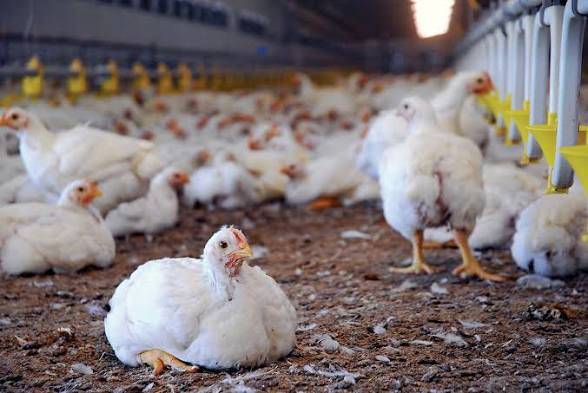
Biosecurity is one of the most important aspects of successful poultry farming. Whether you keep broilers, layers, indigenous chickens or breeder flocks, preventing diseases is far more effective and less expensive than treating them after an outbreak occurs. Disease outbreaks can cause high mortality rates, reduced egg production, poor growth, increased veterinary costs and significant financial losses.
Biosecurity refers to all the practices designed to prevent harmful disease-causing organisms, such as bacteria, viruses, fungi and parasites, from entering or spreading within a poultry farm. With diseases like Newcastle disease, Avian Influenza, Infectious Bursal Disease (Gumboro), Fowl Typhoid, and Coccidiosis posing serious threats to poultry production, every farmer should have a comprehensive biosecurity plan.
This poultry biosecurity checklist outlines the key measures every poultry farmer should implement to keep their flock healthy and productive.
Choose the right farm location
Good biosecurity begins with selecting an appropriate site for your poultry farm. The farm should be located away from other poultry farms, live bird markets, slaughterhouses and areas where wild birds frequently gather.
Maintaining adequate distance reduces the risk of disease transmission through air, people, vehicles or animals. The poultry house should also be built on well-drained land to prevent water accumulation, which can encourage disease-causing organisms.
Restrict farm access
Limiting access to the poultry farm is one of the simplest yet most effective biosecurity measures. Only essential workers and authorized visitors should be allowed into the poultry area.
Install a gate or fence around the farm and place clear signs indicating restricted access. Keep a visitor register to record everyone entering the premises, including the date, purpose of the visit, and previous farm visits if applicable.
Reducing unnecessary traffic minimizes the chances of introducing diseases from other farms.
Install footbaths at poultry house entrances
Footwear can easily carry harmful pathogens into poultry houses. Every entrance should have a disinfectant footbath containing an approved disinfectant solution.
Ensure the disinfectant is changed regularly according to the manufacturer’s recommendations because dirty solutions lose their effectiveness. Everyone entering the poultry house should step into the footbath before entering.
Providing dedicated farm boots for workers further reduces disease transmission.
Wear clean protective clothing
Workers should wear clean overalls, boots, gloves and where necessary, face masks while handling poultry. Farm clothing should remain on the farm and should not be worn outside.
Wash protective clothing regularly using appropriate detergents and disinfectants. Changing into clean clothing before entering poultry houses significantly reduces the spread of infectious agents.
Quarantine new birds
Never introduce newly purchased birds directly into an existing flock. New birds should be isolated in a separate quarantine area for at least two to four weeks.
During quarantine, monitor them closely for signs of illness, including coughing, sneezing, diarrhea, reduced appetite or abnormal behavior. Only healthy birds should be introduced into the main flock after the observation period.
Quarantine helps prevent introducing diseases that may not be immediately visible.
Clean and disinfect poultry houses regularly
Maintaining a clean environment is essential for disease prevention. Remove manure, spilled feed, feathers and other waste materials regularly.
After each production cycle, thoroughly clean and disinfect the poultry house, feeders, drinkers, walls, floors, and equipment before introducing a new flock.
Allow sufficient downtime between flocks to break disease cycles and reduce pathogen survival.
Provide clean feed and water
Contaminated feed and water are common sources of disease transmission. Purchase feed from reputable manufacturers and store it in clean, dry, rodent-proof facilities.
Provide fresh, clean drinking water daily and wash drinkers regularly to prevent bacterial growth. Avoid allowing feed or water to become contaminated by wild birds, rodents, or other animals.
Good nutrition also strengthens the birds’ immune systems, making them more resistant to disease.
Control rodents and wild birds
Rodents, wild birds, insects and other animals can introduce dangerous diseases into poultry farms. Rats and mice contaminate feed, while wild birds may carry viruses such as Avian Influenza.
Seal openings in poultry houses, repair damaged wire mesh, eliminate hiding places for rodents, and use appropriate rodent control methods. Cover feed storage areas properly and prevent wild birds from accessing poultry feed and water.
Maintaining a clean environment also discourages pests from breeding around the farm.
Follow a Vaccination Program
Vaccination is an important component of poultry disease prevention. Follow the recommended vaccination schedule provided by veterinarians or livestock extension officers based on the diseases common in your area.
Vaccines help protect birds against diseases such as Newcastle disease, Gumboro, Marek’s disease, Fowl Pox, and Infectious Bronchitis.
Keep proper vaccination records, including vaccine type, date administered and batch number.
Observe birds daily
Daily observation helps farmers identify health problems before they spread throughout the flock. Healthy birds are active, eat well, drink normally and have bright eyes and smooth feathers.
Watch for signs such as coughing, sneezing, diarrhea, swollen heads, reduced feed intake, abnormal droppings, lameness or sudden drops in egg production.
Early detection allows prompt veterinary intervention and minimizes disease spread.
Dispose of dead birds properly
Dead birds should never be left inside or near the poultry house. Carcasses can attract predators and become sources of disease.
Dispose of dead birds promptly through approved methods such as deep burial, incineration, or composting where permitted. Always follow local veterinary regulations regarding carcass disposal.
Workers handling dead birds should wear protective gloves and wash thoroughly afterward.
Keep accurate farm records
Good record keeping supports effective disease management. Maintain records of bird purchases, vaccinations, medications, mortality rates, egg production, feed consumption and veterinary treatments.
Analyzing these records helps identify unusual patterns that may indicate disease outbreaks and supports better farm management decisions.
Detailed records are also valuable when working with veterinarians or applying for quality assurance certification.
Train farm workers on biosecurity
Every worker should understand the importance of biosecurity and consistently follow farm rules. Provide regular training on disease recognition, hygiene practices, cleaning procedures, and emergency response during disease outbreaks.
Even the best biosecurity plan will fail if workers do not follow established protocols.
Develop an emergency disease response plan
Every poultry farm should have a plan for responding to suspected disease outbreaks. Immediately isolate sick birds, restrict farm movements, notify a veterinarian and avoid selling or moving birds until the cause of illness has been determined.
Rapid action can prevent diseases from spreading to other farms and reduce financial losses.
Strong biosecurity is the foundation of successful poultry farming. Preventing diseases through strict hygiene, controlled farm access, regular cleaning, proper vaccination, quality nutrition, quarantine, and continuous monitoring is far more effective than relying on treatment after an outbreak occurs.
By following this poultry biosecurity checklist, farmers can significantly reduce the risk of disease, improve flock health, increase productivity and protect their investment. Consistent biosecurity practices not only safeguard poultry businesses but also contribute to safer food production and a more sustainable poultry industry.

Author: Moureen Koech
Moureen Koech is a passionate Digital Journalist, an adept Agribusiness Writer with a keen eye for news and an impactful story-teller,whose stories provide key value to Agripreneurs and stakeholders in the Agricultural sector