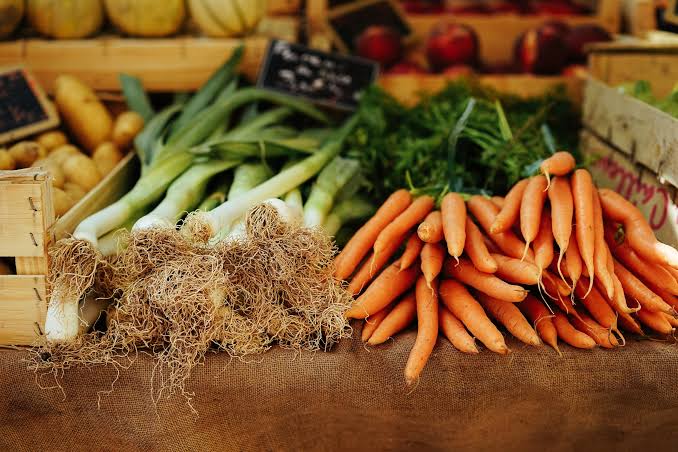
One of the biggest challenges farmers face is not production, but marketing. Many agripreneurs work hard to grow quality crops or raise healthy livestock, only to struggle when it is time to sell. Without a reliable market, farm profits decline and losses increase.
Understanding how to get buyers for farm produce is essential for building a successful agribusiness. This guide explains practical strategies farmers can use to secure consistent buyers, improve bargaining power and increase income.
Understand your target market before planting
The most important rule in agribusiness is to produce for the market, not to look for the market after production. Many farmers make the mistake of planting crops without confirming demand.
Before planting, research who your potential buyers are. These may include wholesalers, retailers, supermarkets, processors, hotels, exporters or individual consumers. Find out what products they need, the required quality standards, packaging preferences, and supply volumes.
Market research helps you align production with demand and avoid oversupply that leads to price drops.
Build relationships with local traders and wholesalers
Local traders and wholesalers are often the easiest starting point for farmers. Visiting markets and introducing yourself to traders creates networking opportunities.
Consistency is key when building relationships. Buyers prefer suppliers who deliver the right quantity and quality on time. When trust is established, buyers are more likely to commit to long-term business.
Maintaining professional communication and honoring agreements strengthens these relationships over time.
Supply to supermarkets and retail shops
Supermarkets and retail shops offer stable and potentially higher-paying markets. However, they require consistent supply, proper packaging, and high-quality standards.
To supply supermarkets, ensure your produce is clean, properly sorted, and well packaged. Some stores may require business registration, invoices, and delivery schedules.
Although the requirements may seem demanding, supermarkets provide reliable and structured markets that support business growth.
Explore contract farming opportunities
Contract farming involves signing agreements with buyers before production begins. The contract outlines the quantity, quality, price and delivery schedule.
This arrangement reduces market uncertainty and guarantees sales upon harvest. Many processors and exporters prefer contract farming to ensure steady supply.
Carefully review contracts before signing to ensure terms are fair and realistic. Clear agreements protect both farmers and buyers.
Use digital platforms and social media marketing
Technology has transformed agricultural marketing. Farmers can now reach customers directly through digital platforms.
Social media platforms such as WhatsApp, Facebook, and Instagram allow you to showcase your produce, post prices and communicate with buyers instantly. Sharing clear photos, harvest updates and customer testimonials builds credibility.
Online marketplaces and agribusiness platforms also connect farmers to urban consumers and institutional buyers. Digital marketing reduces reliance on middlemen and increases profit margins.
Join farmer cooperatives and producer groups
Working alone can limit market access. Joining a cooperative or farmer group increases bargaining power and market reach.
Cooperatives aggregate produce from multiple farmers, making it easier to meet bulk buyer requirements. They also help negotiate better prices and manage logistics such as storage and transport.
Group marketing reduces individual risk and creates stronger negotiation leverage.
Invest in quality and Value Addition
Quality determines market access. Buyers prefer uniform size, proper grading and clean packaging. Poor quality produce reduces trust and lowers prices.
Investing in value addition increases profitability. For example, instead of selling raw milk, you can process yogurt or mala. Instead of selling fresh tomatoes, you can explore tomato sauce production.
Value-added products often attract better-paying markets and reduce post-harvest losses.
Maintain consistent supply and reliability
Buyers value reliability more than occasional large deliveries. Supplying consistent quantities builds trust and long-term partnerships.
Proper production planning ensures continuous harvesting rather than seasonal oversupply followed by shortages. Staggered planting and irrigation systems help maintain supply throughout the year.
Reliable farmers often become preferred suppliers.
Attend agricultural exhibitions and networking events
Agricultural trade fairs and exhibitions provide excellent opportunities to meet potential buyers, processors and exporters.
These events allow farmers to showcase products, learn about market trends, and build business connections. Networking plays a critical role in expanding market access.
Exchanging contacts and following up professionally after events increases chances of securing deals.
Understand pricing and negotiation strategies
Pricing farm produce requires knowledge of production costs and market rates. Selling without calculating costs can lead to losses.
Stay informed about prevailing market prices in different regions. Negotiation skills also matter. Confidence, proper communication, and understanding product value improve bargaining outcomes.
Avoid panic selling during harvest seasons when prices drop. If possible, use storage facilities to wait for better market conditions.
Getting buyers for farm produce requires strategy, planning, and proactive marketing. Successful agripreneurs focus on market research, relationship building, quality improvement and consistent supply.
Instead of depending solely on middlemen, explore multiple channels including supermarkets, digital platforms, cooperatives and contract farming. Agribusiness success depends not only on production but also on effective marketing.
By treating farming as a business and prioritizing market access from the beginning, you can secure reliable buyers, improve profitability and build a sustainable agribusiness.

Author: Moureen Koech
Moureen Koech is a passionate Digital Journalist, an adept Agribusiness Writer with a keen eye for news and an impactful story-teller,whose stories provide key value to Agripreneurs and stakeholders in the Agricultural sector