Milk hygiene is one of the most important aspects of dairy farming because it directly affects milk quality, animal health, consumer safety and farm income. Farmers can have highly productive cows, but poor milking hygiene can contaminate the milk and reduce its market value.
Contamination can occur at almost any stage, from the cow and milking equipment to storage and transportation. Dirt, manure, dirty water, unclean containers, bacteria and improper handling can all affect milk quality.
For dairy farmers, maintaining good hygiene should therefore be a daily practice rather than something done only when selling milk. Here are practical ways to improve milk hygiene on the farm.
1. Keep the cow clean
Milk comes from the cow, so keeping the animal clean is the first step toward producing hygienic milk.
Before milking, check the udder, teats and surrounding areas for dirt, manure or other contamination. Cows kept in muddy or dirty environments are more likely to carry contaminants around the udder.
Provide clean, dry bedding and regularly remove manure from housing areas.
The tail and hindquarters should also be kept reasonably clean because dirt from these areas can easily contaminate the udder and milk during milking.
2. Wash your hands before milking
The person handling the milk can also introduce contamination.
Milkers should wash their hands thoroughly with clean water and appropriate soap before starting work. Hands should also be kept clean throughout the milking process.
Avoid handling manure, feed, dirty equipment or other contaminated materials immediately before touching the cow or milk without washing again.
If a milker has cuts or wounds on the hands, these should be appropriately covered to prevent contamination.
3. Clean the udder and teats
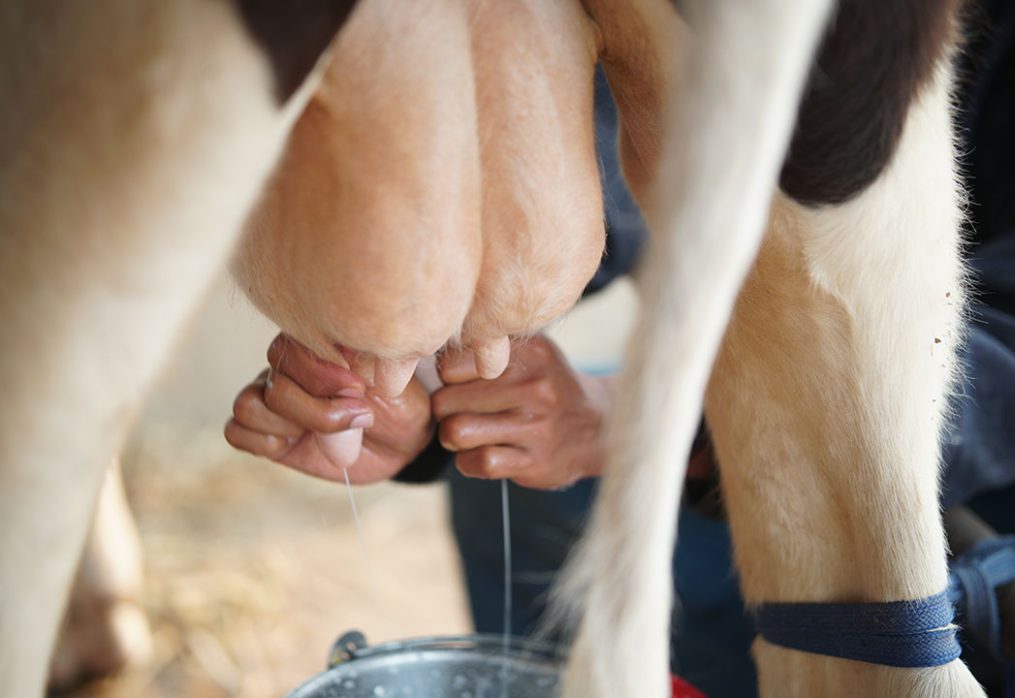
Before attaching milking equipment or beginning hand milking, clean the teats properly.
Use clean water and an appropriate udder-cleaning method. Avoid using the same dirty cloth repeatedly across multiple cows because it can spread contamination from one animal to another.
After cleaning, dry the teats using a clean, disposable towel or a properly cleaned and dried reusable towel.
Wet and dirty teats create an ideal opportunity for contaminants to enter the milk.
4. Check for mastitis
Mastitis is an inflammation of the udder that can affect milk quality and production.
Farmers should regularly observe the udder for swelling, heat, pain or other abnormalities. Changes in milk, such as unusual clots or discoloration, can also be warning signs.
Milk from cows suspected of having mastitis should be handled according to veterinary advice and applicable milk-safety requirements.
Importantly, farmers should observe the required withdrawal period after treating animals with antibiotics or other veterinary medicines. Milk from animals within a medicine withdrawal period should not enter the food supply.
5. Use clean milking equipment
Buckets, milking cans, teat cups, pipes and other equipment should be thoroughly cleaned after every milking session.
Equipment that appears clean may still contain invisible milk residues where bacteria can multiply.
Wash equipment using appropriate cleaning procedures, rinse thoroughly and allow it to dry properly.
Avoid storing wet equipment in dirty places because moisture can encourage bacterial growth.
6. Use safe water
Water used for cleaning udders, equipment and hands should be safe and clean.
Using contaminated water can introduce microorganisms directly into the milk or onto equipment.
Farmers who rely on wells, rivers, boreholes or other water sources should ensure the water is suitable for its intended use and take appropriate measures where contamination is suspected.
7. Keep the milking area clean
The milking environment has a major influence on milk hygiene.
The milking area should be clean, well ventilated and protected from excessive dust, manure and other contaminants.
Avoid milking animals in areas where manure is accumulating or where dust and dirt can easily enter open milk containers.
Clean the floor and remove manure regularly.
8. Keep feed and dust away from milk
Feed, dust and other particles can contaminate milk during milking.
Avoid activities such as sweeping dusty floors while milk is exposed. If animals are being fed during milking, take care to prevent feed particles from entering milk containers.
Keep milk containers covered whenever practical without compromising safe handling.
9. Filter milk immediately after milking
After milking, milk should be filtered using a clean, appropriate filter to remove visible contaminants such as hair and dirt.
Filtering does not make contaminated milk safe, nor does it remove bacteria that have already entered the milk. It is simply an additional hygiene step.
The filter itself must be clean and properly handled.
10. Cool milk quickly
Fresh milk provides an excellent environment for bacterial growth, particularly when temperatures are high.
Cooling milk quickly after milking can slow bacterial multiplication and help maintain quality.
Where appropriate cooling facilities are available, farmers should follow recommended milk-cooling practices and maintain the cold chain until the milk reaches the buyer or collection centre.
Farmers should avoid leaving milk exposed to high temperatures for long periods.
11. Use suitable milk containers
Milk should be stored and transported in clean containers designed for milk handling.
Food-grade containers that are easy to clean are preferable. Avoid using containers that can retain odours, residues or harmful substances.
Milk containers should be reserved for their intended purpose and should never be used to store chemicals, pesticides or other hazardous substances.
12. Keep chemicals away from milk
Pesticides, detergents, disinfectants, fuels and veterinary medicines should be stored away from milk, milking equipment and animal feed.
Even accidental contamination with chemicals can make milk unsafe.
Cleaning products should also be used according to their instructions. Equipment must be properly rinsed where required to prevent chemical residues from contaminating milk.
13. Separate sick cows
Sick animals may require special handling during milking.
Where possible, milk healthy cows first and sick or treated cows last to reduce the risk of spreading infection.
Clearly identify animals receiving medication and follow veterinary instructions concerning milk withdrawal periods.
This is particularly important when antibiotics are involved.
14. Train everyone who handles milk
Milk hygiene is not the responsibility of only the farm owner.
Anyone involved in milking, cleaning, storage or transportation should understand basic hygiene practices.
Simple training on handwashing, equipment cleaning, udder preparation, milk storage and disease prevention can significantly improve the quality of milk produced on the farm.
15. Keep proper records
Record important information such as animal treatments, diseases, milking problems and milk production.
Records help farmers identify recurring problems and ensure that milk from treated animals is not accidentally sold during withdrawal periods.
They can also help demonstrate good management practices to buyers and milk processors.
Common milk hygiene mistakes farmers should avoid
Some seemingly small mistakes can have major consequences.
Farmers should avoid milking cows with dirty hands, using unwashed containers, mixing fresh milk with older milk, leaving milk in the sun, using contaminated water and storing milk in inappropriate containers.
Another serious mistake is selling milk from cows still within a veterinary medicine withdrawal period.
Farmers should always follow veterinary and regulatory guidance concerning treated animals and milk safety.
Why good milk hygiene matters
Good milk hygiene can benefit both the farmer and consumer.
High-quality milk is more likely to meet buyer requirements and maintain its value. Reducing contamination can also lower the risk of milk spoilage and rejected deliveries.
For consumers, hygienic milk handling reduces the risk associated with harmful microorganisms and chemical residues.
Ultimately, milk quality begins on the farm.
Improving milk hygiene does not necessarily require expensive technology. Many of the most effective measures are simple daily practices: keep cows and milking areas clean, wash hands, clean the udder, use safe water, sanitize equipment, filter milk appropriately and cool it quickly.
Farmers should also monitor cows for mastitis, separate treated animals and strictly observe veterinary medicine withdrawal periods.
The key is consistency. One dirty bucket, contaminated water source or improperly handled cow can affect an otherwise clean batch of milk.
Clean milk starts with a clean cow, clean hands, clean equipment and clean handling from the udder to the buyer.

Author: Moureen Koech
Moureen Koech is a passionate Digital Journalist, an adept Agribusiness Writer with a keen eye for news and an impactful story-teller,whose stories provide key value to Agripreneurs and stakeholders in the Agricultural sector