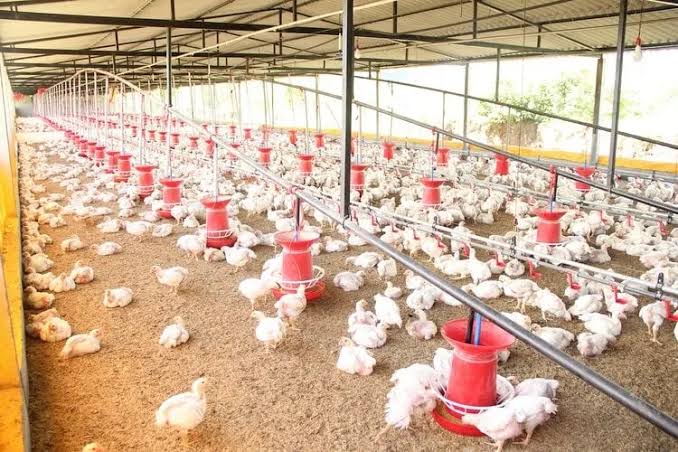
Poultry farming is one of the most profitable agribusiness ventures in the world today, especially in Africa where demand for chicken meat and eggs continues to grow rapidly. A well-structured poultry business plan is the foundation of a successful poultry enterprise. It helps farmers understand costs, identify risks, set goals and maximize profits. Whether you are starting a small backyard poultry project or a large commercial farm, having a clear plan increases your chances of success significantly.
This article provides a detailed poultry business plan, including setup requirements, cost considerations, management strategies and profitability tips.
Understanding the poultry business
The poultry business involves raising domesticated birds such as chickens, turkeys, ducks, or quails for meat production (broilers) or egg production (layers). In most cases, farmers focus on either broilers, layers or a combination of both.
Broiler farming focuses on rapid growth for meat production within 6–8 weeks, while layer farming focuses on egg production, which can last up to 18 months or more. Understanding your target market is the first step in building a strong poultry business plan.
Market research and demand analysis
Before starting poultry farming, it is important to conduct proper market research. Poultry products such as eggs and chicken meat are in high demand in households, hotels, supermarkets and butcheries.
Key market questions to consider include:
- Who are your customers?
- What is the current price of eggs and chicken in your area?
- Who are your competitors?
- What gaps exist in supply?
In most regions, demand often exceeds supply, making poultry farming a highly viable business opportunity.
Startup requirements for poultry farming
To start a poultry business, several essential inputs are required:
1. Land and Housing
You need a clean, well-ventilated poultry house. The structure should protect birds from predators, rain and extreme weather conditions. Proper spacing is important to prevent overcrowding and disease spread.
2. Chicks
Choose high-quality chicks from certified hatcheries. You can either buy broiler chicks or layer chicks depending on your business model.
3. Feed and Nutrition
Feed is the most significant cost in poultry farming, accounting for up to 70% of total expenses. Birds require starter, grower and finisher feeds depending on their stage of growth.
4. Vaccination and Health Care
Disease control is critical. Vaccination against common diseases such as Newcastle disease and Gumboro is essential for survival and productivity.
5. Equipment
Basic equipment includes feeders, drinkers, heating lamps and egg trays.
Poultry house setup and management
A well-designed poultry house is essential for productivity. It should allow proper air circulation and sunlight while protecting birds from harsh weather.
Key management practices include:
- Regular cleaning and disinfection
- Proper litter management
- Temperature control for chicks
- Adequate lighting for layers
Good hygiene reduces disease outbreaks and improves production efficiency.
Feeding program and nutrition plan
Feeding is a key factor in poultry profitability. A proper feeding program ensures rapid growth and high egg production.
Broilers require:
- Starter feed (0–3 weeks)
- Grower feed (3–5 weeks)
- Finisher feed (5–8 weeks)
Layers require:
- Chick mash
- Grower mash
- Layer mash rich in calcium for egg production
Clean water should always be available, as dehydration affects growth and productivity.
Cost structure and budget planning
A poultry business plan must include a clear budget. Costs include:
- Housing construction
- Day-old chicks
- Feed
- Vaccination and medication
- Labor costs
- Utilities and maintenance
Proper budgeting helps avoid financial losses and ensures smooth operations.
Marketing strategy for poultry products
Marketing is crucial for profitability. Poultry farmers can sell products through:
- Local markets
- Hotels and restaurants
- Supermarkets
- Direct farm sales
- Online platforms and social media
Building long-term relationships with buyers ensures consistent income.
Profitability and Returns
Poultry farming can be highly profitable if managed well. For example, broiler farming can yield returns within 6–8 weeks, while egg production provides steady monthly income.
Profit depends on:
- Feed efficiency
- Mortality rate
- Market prices
- Farm management practices
Farmers who maintain low mortality and high productivity often achieve the best returns.
Risks and Challenges
Like any business, poultry farming has risks:
- Disease outbreaks
- High feed costs
- Market price fluctuations
- Poor management practices
However, these risks can be minimized through proper planning, vaccination, and good farm management practices.
A poultry business plan is the backbone of a successful poultry farming venture. It helps farmers organize resources, manage costs, and maximize profits. With proper planning, good management and a reliable market, poultry farming can become a sustainable and highly profitable agribusiness.
Whether you are a beginner or an experienced farmer, starting with a strong business plan will set you on the path to long-term success in poultry farming.

Author: Moureen Koech
Moureen Koech is a passionate Digital Journalist, an adept Agribusiness Writer with a keen eye for news and an impactful story-teller,whose stories provide key value to Agripreneurs and stakeholders in the Agricultural sector