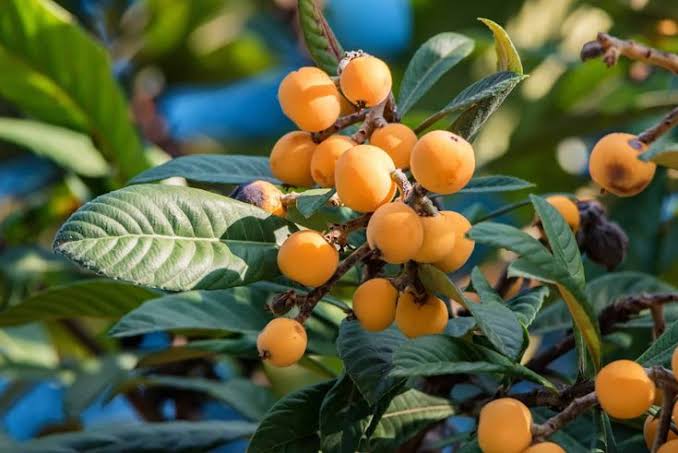
Loquat farming in Kenya is becoming an attractive opportunity for farmers looking to diversify into high-value fruit production. The loquat tree (Eriobotrya japonica) produces delicious yellow-orange fruits with a sweet, slightly tangy flavour that are enjoyed fresh and are also used in juices, jams, jellies, wines and desserts. With increasing demand for unique fruits in urban markets, loquat farming offers farmers another profitable orchard crop alongside avocados, passion fruits and citrus.
This guide explains the best growing conditions for loquats in Kenya, planting methods, orchard management practices and expected yields as the trees mature.
Why loquat farming is growing in Kenya
Loquat is an evergreen fruit tree originally native to Asia but now grown successfully in many parts of Kenya. The tree begins producing fruits relatively early compared to many fruit trees and can remain productive for many years with proper care.
Farmers are increasingly planting loquats because they require moderate maintenance once established, tolerate a range of climatic conditions, and produce fruits that fetch attractive prices in local and specialty markets.
Besides fresh consumption, loquats have opportunities in value addition through juice making, jam processing and dried fruit production.
Best growing conditions for loquat in Kenya
Successful loquat farming begins with selecting the right growing environment. The crop performs best in areas with moderate temperatures and sufficient sunlight.
Climate requirements
Loquat trees thrive under mild climatic conditions where temperatures range between 18°C and 25°C. They grow well in cool to warm regions that experience moderate rainfall throughout the year.
Suitable growing regions in Kenya include parts of Kiambu, Murang’a, Nyeri, Nakuru, Kirinyaga, Embu, Meru and other highland and mid-altitude areas.
The trees prefer annual rainfall of approximately 800–1,500 mm. Where rainfall is unreliable, supplementary irrigation helps maintain healthy growth and fruit development during dry seasons.
Altitude
Loquat grows well at altitudes ranging from 800 to 2,000 metres above sea level. Higher altitude areas with cool nights often produce sweeter fruits because of slower fruit development.
Sunlight
Plant loquat trees in areas receiving full sunlight for at least six to eight hours daily. Adequate sunlight encourages flowering, fruit formation and healthy canopy development.
Soil requirements for loquat trees
Healthy soil is essential for vigorous tree growth and high fruit yields.
Loquat performs best in:
- Well-drained loam soils.
- Sandy-loam soils rich in organic matter.
- Deep fertile soils with good moisture retention.
Avoid waterlogged or poorly drained soils since standing water encourages root diseases and reduces tree performance.
Recommended Soil pH
The ideal soil pH is 5.5–6.5.
Before planting, conduct a soil test to determine nutrient levels and pH. Where necessary, improve soil fertility by incorporating well-decomposed manure or compost.
Land preparation before planting
Prepare the orchard before the rainy season.
Clear weeds and shrubs, then dig planting holes measuring about 2 feet by 2 feet by 2 feet. Separate the topsoil from the subsoil while digging.
Mix the topsoil with:
- Well-decomposed farmyard manure or compost.
- Phosphate fertilizer where recommended after soil testing.
Return this mixture into the hole before planting to create a fertile root zone.
How to Plant Loquat Seedlings
Choose healthy grafted or quality seedlings from reputable nurseries.
Planting Steps
- Water seedlings before transplanting.
- Remove the polythene bag carefully without disturbing the roots.
- Place the seedling upright in the planting hole.
- Fill the hole with the prepared soil mixture.
- Firm the soil gently around the roots.
- Water immediately after planting.
- Apply mulch around the tree while leaving space around the stem.
Mulching helps conserve moisture, suppress weeds and improve soil fertility.
Recommended spacing for loquat orchard
Proper spacing improves sunlight penetration, reduces disease spread and allows easy orchard management.
The recommended spacing is 5–7 metres between trees.
Trees Per Acre
Spacing. Approximate TreesPerAcre
5m × 5m | About 175 trees
6m × 6m. |About 120 trees
7m × 7m. |About 90 trees
Plan the orchard layout carefully before planting to maximize productivity.
Irrigation Requirements
Young loquat trees require regular watering while establishing their root systems.
Watering Schedule
- Water newly planted seedlings two to three times weekly during dry weather.
- Mature trees require irrigation mainly during flowering and fruit development if rainfall is insufficient.
- Avoid excessive watering that causes waterlogging.
Drip irrigation is an efficient method because it conserves water while delivering moisture directly to the roots.
Fertilizer and Nutrient Management
Proper nutrition promotes vigorous growth, flowering and fruit production.
Organic Fertilizers
Apply well-decomposed manure around each tree annually to improve soil structure and provide nutrients.
Inorganic Fertilizers
After soil analysis, apply balanced fertilizers containing nitrogen, phosphorus and potassium according to tree age and nutrient requirements.
Split fertilizer applications into two or three periods during the growing season for better nutrient uptake.
Pruning and Orchard Management
Pruning is important for maintaining productive trees.
Why Prune Loquat Trees?
Pruning helps:
- Remove dead or diseased branches.
- Improve air circulation.
- Allow sunlight into the canopy.
- Encourage new productive shoots.
- Make harvesting easier.
Light annual pruning after harvesting helps maintain tree shape and productivity.
Weed Control and Mulching
Weeds compete with young trees for water and nutrients.
Control weeds through:
- Mulching with dry grass or crop residues.
- Hand weeding around the tree basin.
- Shallow cultivation that does not damage roots.
Organic mulch also helps reduce soil temperature fluctuations and increases organic matter.
Common Pests and Diseases in Loquat Farming
Like many fruit trees, loquats may experience pest and disease challenges.
Common Pests
- Fruit flies.
- Aphids.
- Scale insects.
- Mealybugs.
Regular orchard monitoring helps detect infestations early.
Common Diseases
- Leaf spot.
- Powdery mildew.
- Root rot in poorly drained soils.
Good sanitation, proper spacing, pruning and avoiding excess moisture help minimize disease outbreaks.
When do loquat trees start producing?
Loquat trees generally begin fruiting two to three years after planting, depending on the variety and management practices.
Fruit production increases significantly as trees mature and develop larger canopies.
Expected loquat yields per acre in Kenya
Yields vary depending on climate, variety, soil fertility, irrigation, pruning and pest management.
These figures are estimates and actual yields depend on proper orchard management.
Harvesting loquat fruits
Loquat fruits are ready for harvesting when they develop a bright yellow or orange colour and become slightly soft.
Harvest fruits carefully by clipping bunches with pruning shears instead of pulling them from the tree. Gentle handling reduces bruising and improves shelf life.
Harvesting is usually done several times during the season because fruits do not ripen uniformly.
Marketing opportunities for loquat farmers
Loquat fruits are gaining popularity in supermarkets, fruit markets and specialty grocery stores.
Farmers can sell:
- Fresh fruits.
- Juice.
- Jam.
- Jelly.
- Preserves.
- Dried loquat fruits.
Value addition helps farmers earn more income and reduce post-harvest losses during peak production.
Tips for high loquat yields
To maximize productivity:
- Plant certified healthy seedlings.
- Choose fertile, well-drained soils.
- Maintain proper spacing.
- Irrigate during dry periods.
- Apply manure and fertilizers based on soil needs.
- Prune annually to improve canopy structure.
- Monitor pests and diseases regularly.
- Harvest fruits carefully to maintain quality.
Is loquat farming profitable in Kenya?
Loquat farming has strong potential for farmers targeting niche fruit markets. The crop produces high-quality fruits that can command premium prices where supply is limited. However, profitability depends on production costs, orchard management, market access and fruit quality rather than relying on the highest possible market prices.
Starting with a small orchard allows farmers to learn proper management practices before expanding production. With suitable growing conditions, consistent care and good marketing, loquat farming can become a valuable long-term investment for Kenyan fruit growers.

Author: Moureen Koech
Moureen Koech is a passionate Digital Journalist, an adept Agribusiness Writer with a keen eye for news and an impactful story-teller,whose stories provide key value to Agripreneurs and stakeholders in the Agricultural sector