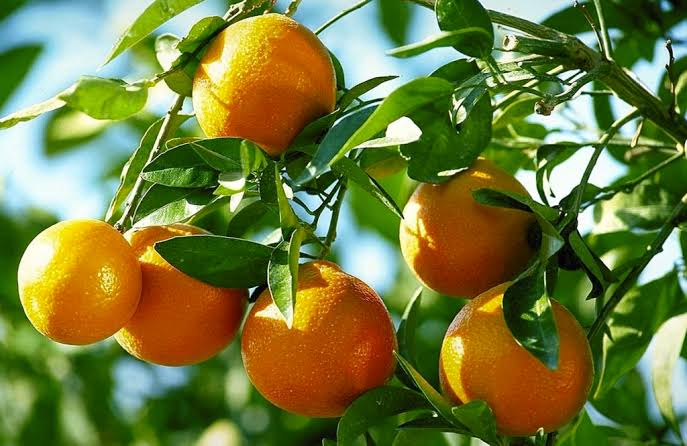
Minneola orange farming is attracting interest among Kenyan farmers looking to diversify into high-value fruit crops. Minneola is a type of tangelo, known for its attractive orange colour, juicy flesh, refreshing sweet-tart flavour and distinctive shape. With suitable growing conditions, good orchard management and access to reliable markets, Minneola can become an interesting addition to a commercial fruit farm.
However, farmers should understand that profitability is not guaranteed simply because the fruit can command a good price. The success of a Minneola orange farming business depends on factors such as the quality of planting materials, climate, water availability, soil fertility, orchard management, production costs, yields and market access.
What makes minneola orange an attractive crop?
Minneola has several characteristics that can make it appealing to both farmers and consumers. The fruit has an attractive appearance and a distinctive sweet-tart flavour that makes it suitable for fresh consumption. Its juicy flesh also gives it potential for juice processing and other value-added uses.
For farmers, the crop can provide an opportunity to diversify beyond commonly grown fruits. Diversification can help create additional income streams, particularly where farmers have suitable land and established fruit markets.
Nevertheless, farmers should research demand in their target market before establishing a large orchard. Producing quality fruit consistently is only one part of a profitable farming business; selling it at a favourable price is equally important.
Why use grafted minneola orange seedlings?
The choice of planting material is one of the most important decisions when establishing a citrus orchard. Grafted Minneola seedlings combine a selected fruiting variety with a rootstock, giving farmers planting material with known characteristics.
Quality grafted seedlings can provide a better foundation for commercial production than planting trees from ordinary seeds. Farmers buying Minneola seedlings should look for healthy plants with strong root systems, a properly developed graft union and good overall growth.
It is also important to purchase seedlings from a reliable nursery. Poor-quality or incorrectly labelled planting materials can result in disappointing orchard performance and unnecessary financial losses.
Where can minneola orange grow in Kenya?
Minneola, like other citrus crops, requires suitable environmental conditions for good growth and fruit production. Farmers should select sites with adequate sunlight, suitable temperatures, fertile and well-drained soils and reliable water.
Drainage is particularly important because prolonged waterlogging can damage citrus roots and affect tree health. Before planting, farmers should assess the farm’s soil characteristics, drainage and water availability.
A soil test is also recommended before establishing a commercial orchard. Soil testing helps farmers understand nutrient deficiencies and soil conditions so that they can develop a more appropriate fertility management programme.
Water management is critical
Water management can have a major influence on the performance of young and mature citrus trees. Newly planted Minneola seedlings require adequate moisture as their root systems become established.
During periods of active growth and fruit development, adequate water is also important. However, farmers should avoid both extremes. Water stress can reduce plant growth and affect fruit development, while excessive moisture and poor drainage can create root problems.
Where possible, farmers should consider efficient irrigation systems and maintain consistent soil moisture without creating waterlogged conditions.
Fertilization and orchard management
Minneola trees require balanced nutrition to support healthy growth and fruit production. Nutrient requirements vary according to soil conditions, tree age and production stage, making soil testing an important part of fertilizer planning.
Important nutrients may include nitrogen, phosphorus and potassium, together with calcium, magnesium and essential micronutrients. Farmers should avoid copying another farmer’s fertilizer programme without considering their own soil and crop requirements.
Good orchard management should also include regular weed control, mulching where appropriate, pruning and orchard sanitation. Keeping the orchard clean and well managed can improve growing conditions and make it easier to identify pest and disease problems early.
Managing pests and diseases
Citrus trees can be affected by various pests and diseases, making regular scouting essential. Farmers should inspect leaves, new shoots, flowers, developing fruits and branches for unusual symptoms.
Early detection allows farmers to respond before a problem becomes widespread. Good orchard hygiene, appropriate spacing, balanced nutrition and proper field management can help reduce some pest and disease risks.
When serious symptoms appear, farmers should seek advice from a qualified agricultural professional before applying crop protection products. Correct identification of the problem is important because different pests and diseases require different management approaches.
How can minneola farming be profitable?
The profitability of Minneola orange farming depends on the relationship between production costs and income generated from fruit sales.
Farmers should calculate expenses such as seedlings, land preparation, irrigation, manure and fertilizers, labour, pest and disease management, harvesting, packaging and transportation.
Expected income should then be estimated using realistic yields and market prices. Farmers should avoid calculating profitability using the highest possible selling price while ignoring production and marketing costs.
A simple farm budget can help determine the expected gross income, total expenses and potential net return. It can also help farmers identify areas where costs can be reduced without compromising production.
Market research should come before planting
Marketing should be considered before establishing a large Minneola orchard. Potential buyers may include fresh produce retailers, fruit shops, local markets, juice businesses, hotels, restaurants, distributors and direct consumers.
Different buyers may have different requirements regarding fruit size, appearance, maturity, quality, packaging and consistency. Understanding these requirements can help farmers produce fruit that matches the market.
Farmers should also consider transportation costs and post-harvest handling. Fruit that reaches the market in good condition is more likely to attract buyers and maintain its value.
Is minneola a good crop for diversification?
Minneola can be an interesting citrus diversification crop for Kenyan farmers with suitable conditions, adequate water and access to markets. However, farmers should not plant it simply because it is becoming popular.
Before investing, assess the farm’s climate, soil, water supply, labour availability, expected production costs and potential buyers. Starting on a manageable scale can also allow farmers to gain experience before expanding.
Is ninneola orange farming worth it in Kenya?
Minneola orange farming can be profitable in Kenya, but profitability depends on proper planning and management. Quality grafted seedlings, suitable growing conditions, reliable water, good nutrition, effective pest and disease management and strong market connections are all important.
The biggest lesson for farmers is to think about the entire value chain rather than just planting trees. Calculate the investment, understand the expected production, identify potential buyers and develop a marketing strategy before establishing a large orchard.
For farmers who get these fundamentals right, Minneola can offer an opportunity to diversify their farms and develop a potentially valuable fruit enterprise.
Plant with a plan. Grow with knowledge. Sell with a strategy.

Author: Moureen Koech
Moureen Koech is a passionate Digital Journalist, an adept Agribusiness Writer with a keen eye for news and an impactful story-teller,whose stories provide key value to Agripreneurs and stakeholders in the Agricultural sector